Construction Debris: What You Can (and Can't) Take to the Dump
Renovating your home? Drywall, lumber, concrete, and roofing materials have different disposal rules than regular trash. Here's what to know.
Read more →Glenwood Landfill is the big city landfill out on 200th Street that farmers, contractors and households use when their regular haulers won't take something. It’s the place where loads end up being buried and it handles both small residential drop-offs and larger commercial deliveries. The site is large and feels like a working gravel yard more than a tidy transfer station.
Drive up the entrance road and there’s usually a scale and a small booth where trucks stop for a ticket-landfills in Minnesota commonly charge tipping fees based on weight. Pull up slowly; there’s room for trailers and dump trucks to maneuver, and the tipping face looks like a long, sloped dirt and gravel area with heavy equipment moving material. In winter the lot can get icy and snowy, and parts of the site stay muddy in spring-the ground is not paved all over. Expect to be directed where to dump and then back over the scale on the way out if the facility uses weight-based fees.
Learn how to properly dispose of common items.
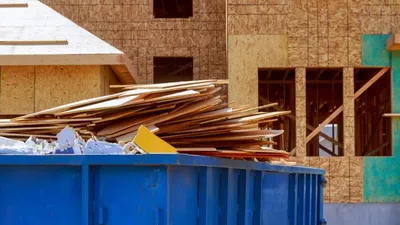
Renovating your home? Drywall, lumber, concrete, and roofing materials have different disposal rules than regular trash. Here's what to know.
Read more →
E-waste rules vary wildly by state. Some ban electronics from landfills entirely. Here's how to recycle old TVs, computers, and phones properly.
Read more →
Most counties run free household hazardous waste collection events. Here's what qualifies, how to find your local event, and how to store stuff safely until then.
Read more →