Construction Debris: What You Can (and Can't) Take to the Dump
Renovating your home? Drywall, lumber, concrete, and roofing materials have different disposal rules than regular trash. Here's what to know.
Read more →Small-town landfill just off Highway 210 in Brainerd, used by homeowners, contractors and haulers who need a final place for rubbish. The site is a working landfill where trash gets buried rather than recycled or composted. People drop off everything from truckloads after a remodel to smaller household cleanouts.
Drive up the long access road and pass a scale house where trucks stop to get weighed; fees are generally based on weight and you'll be weighed again on the way out. Pull into the booth area to check in, then follow the signs and traffic flow to the active tipping area; the site looks industrial with dirt roads, berms and compacted fill. Recycling or drop-off bins, if present, tend to sit to the side of the main entrance so look right after the booth. Winter brings snow and shorter service windows, so the place can feel more closed-in during cold months.
Learn how to properly dispose of common items.
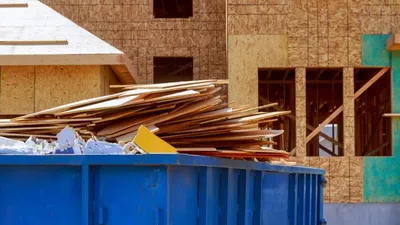
Renovating your home? Drywall, lumber, concrete, and roofing materials have different disposal rules than regular trash. Here's what to know.
Read more →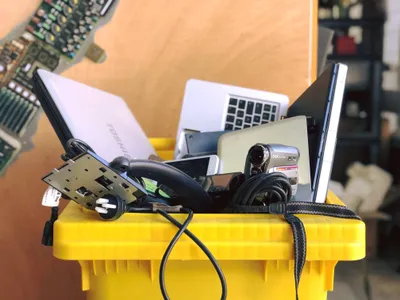
E-waste rules vary wildly by state. Some ban electronics from landfills entirely. Here's how to recycle old TVs, computers, and phones properly.
Read more →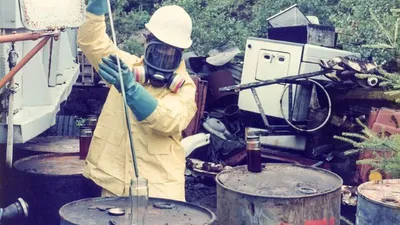
Most counties run free household hazardous waste collection events. Here's what qualifies, how to find your local event, and how to store stuff safely until then.
Read more →