Construction Debris: What You Can (and Can't) Take to the Dump
Renovating your home? Drywall, lumber, concrete, and roofing materials have different disposal rules than regular trash. Here's what to know.
Read more →A small transfer station serving Morrice and nearby rural areas where residents drop off household trash to be compacted and hauled off to a larger landfill. Neighbors and people hauling loads from surrounding farms tend to use it because it saves a longer drive to a distant landfill. The site is the kind of place locals swing by when doing a yard-cleanup or clearing out a truck bed.
Drive up the lane and you’ll see an entrance booth where vehicles pause before proceeding to the tipping area; this is a working yard with compacting equipment and large containers. The scale is typically passed on the way in or out so vehicles get weighed, and loads are then dumped into pits or containers to be compacted. Recycling drop-offs are usually grouped off to the side rather than mixed with trash, and the whole place has an industrial, dusty feel-gravel, trucks, and tire tracks. Weekend mornings and spring cleanup times are noticeably busier, with a line of pickups and trailers waiting to get in.
Learn how to properly dispose of common items.
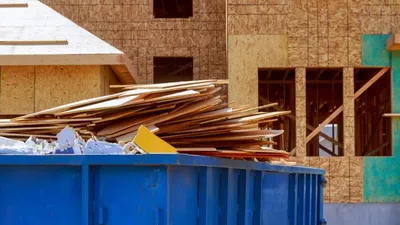
Renovating your home? Drywall, lumber, concrete, and roofing materials have different disposal rules than regular trash. Here's what to know.
Read more →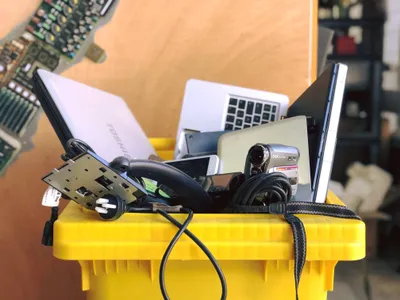
E-waste rules vary wildly by state. Some ban electronics from landfills entirely. Here's how to recycle old TVs, computers, and phones properly.
Read more →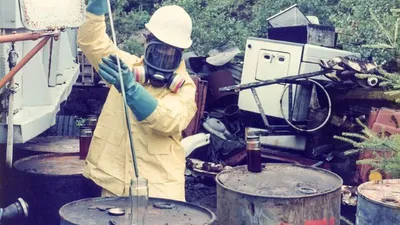
Most counties run free household hazardous waste collection events. Here's what qualifies, how to find your local event, and how to store stuff safely until then.
Read more →