Construction Debris: What You Can (and Can't) Take to the Dump
Renovating your home? Drywall, lumber, concrete, and roofing materials have different disposal rules than regular trash. Here's what to know.
Read more →Small county disposal site out on Price Station Road used by Church Hill residents and nearby rural households. It’s the kind of place people drop off their bulk rubbish and household cleanout loads rather than hauling into the big Baltimore-Washington facilities. Expect a straightforward, working-yard feel rather than anything fancy.
There’s usually an entrance gate with a booth where vehicles stop briefly before driving in; many Maryland county sites operate this way and charge by weight, so plan on a brief stop on the way out for a scale. The yard is open with piles and roll-offs, gravel or paved drive lanes, and traffic moving in and out; larger trucks and trailers are common. Recycling and bulky-item areas tend to sit to one side of the lot, while the main disposal area is straight ahead. Weekends, especially spring cleanup weekends, get noticeably busier and lines can back up onto the road.
Learn how to properly dispose of common items.
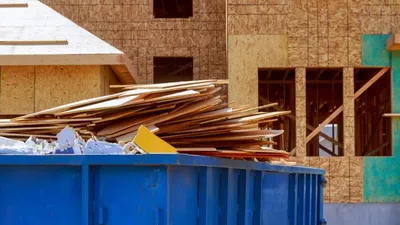
Renovating your home? Drywall, lumber, concrete, and roofing materials have different disposal rules than regular trash. Here's what to know.
Read more →
E-waste rules vary wildly by state. Some ban electronics from landfills entirely. Here's how to recycle old TVs, computers, and phones properly.
Read more →
Most counties run free household hazardous waste collection events. Here's what qualifies, how to find your local event, and how to store stuff safely until then.
Read more →