Construction Debris: What You Can (and Can't) Take to the Dump
Renovating your home? Drywall, lumber, concrete, and roofing materials have different disposal rules than regular trash. Here's what to know.
Read more →This is the Baltimore County waste facility in Cockeysville, used by residents in and around the northern suburbs. It’s the county-run site off W Warren Road where people bring household trash, yard debris and the usual cleanout loads. Expect a busy, no-frills place-popular with contractors and weekends are usually the heaviest times.
Drive up to a gravel or paved entrance and a small booth or gate where traffic is directed; there’s a clear flow for trucks and cars. Vehicles often slow to a crawl through the lot and lines form on weekends and during spring cleanup, so be prepared to wait. The site is open-air with piles, roll-offs, and a few bays-bring a tarp or straps so things don’t blow out while you’re in line. Staff and signage will point to where to drop different items, and there’s usually a second stop on the way out for a final check.
Learn how to properly dispose of common items.
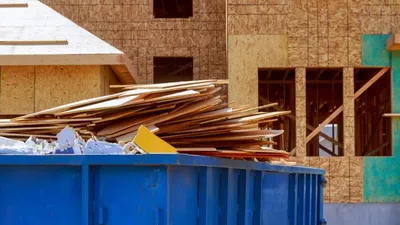
Renovating your home? Drywall, lumber, concrete, and roofing materials have different disposal rules than regular trash. Here's what to know.
Read more →
E-waste rules vary wildly by state. Some ban electronics from landfills entirely. Here's how to recycle old TVs, computers, and phones properly.
Read more →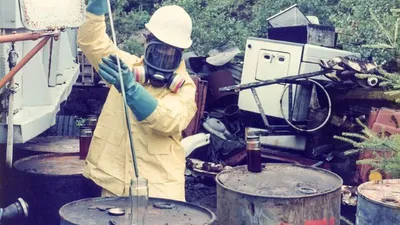
Most counties run free household hazardous waste collection events. Here's what qualifies, how to find your local event, and how to store stuff safely until then.
Read more →