Construction Debris: What You Can (and Can't) Take to the Dump
Renovating your home? Drywall, lumber, concrete, and roofing materials have different disposal rules than regular trash. Here's what to know.
Read more →Ameriwaste Transfer Station in Elkridge is a local drop-off point where loads are compacted and loaded onto larger trucks for transport elsewhere. Neighbors who don't want to drive out to a distant landfill use it for curbside-sized and pickup-bed loads. It sits in the Baltimore–Washington corridor, so expect it to handle a steady stream of residential traffic.
Drive up to an entrance booth and be prepared to stop - there’s usually a scale somewhere in the flow of traffic, so vehicles often pause again on the way out. The site is industrial looking: concrete bays, compactors, and large roll-off containers visible from the drive; pull up to the attendant or drop-off point as directed. Residential users typically unload into specific bays rather than hauling all the way to a landfill, and compacting means large trucks will come and go. Weekends and spring cleanup times get busy, so there can be queues and some waiting around.
Learn how to properly dispose of common items.
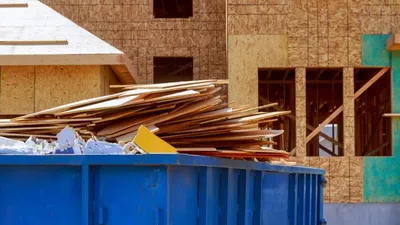
Renovating your home? Drywall, lumber, concrete, and roofing materials have different disposal rules than regular trash. Here's what to know.
Read more →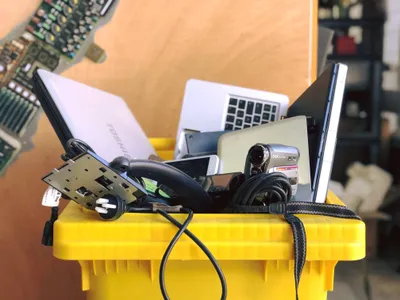
E-waste rules vary wildly by state. Some ban electronics from landfills entirely. Here's how to recycle old TVs, computers, and phones properly.
Read more →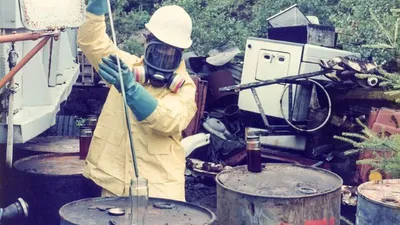
Most counties run free household hazardous waste collection events. Here's what qualifies, how to find your local event, and how to store stuff safely until then.
Read more →