Construction Debris: What You Can (and Can't) Take to the Dump
Renovating your home? Drywall, lumber, concrete, and roofing materials have different disposal rules than regular trash. Here's what to know.
Read more →Co-Operative Transfer Station on Buttermilk Dr in Thomaston is the little transfer yard most residents use when they don’t want to drive to a far-off landfill. Loads are compacted here and then trucked out elsewhere, so it’s mostly for household folks and small haulers working through trash and recyclables.
Pull in from Buttermilk Dr and there’s a small entrance booth with cars queuing on busy days; be ready to stop at the booth and then move forward. There’s usually a scale area and a paved drop-off zone where larger trucks and compactors sit, with recycling containers set to the side. Traffic flows in lanes, so follow the line-weekends and spring cleanup times get backed up and the line can move slowly. The site looks like a working yard rather than a tidy retail lot: trailers, compacting gear, and piles of sorted material are common.
Learn how to properly dispose of common items.
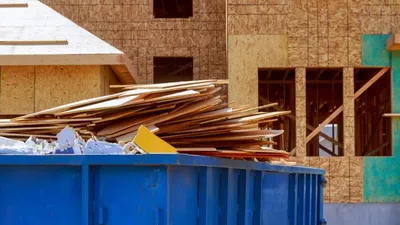
Renovating your home? Drywall, lumber, concrete, and roofing materials have different disposal rules than regular trash. Here's what to know.
Read more →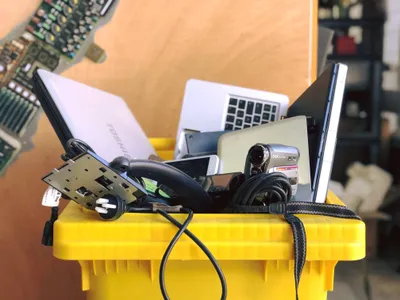
E-waste rules vary wildly by state. Some ban electronics from landfills entirely. Here's how to recycle old TVs, computers, and phones properly.
Read more →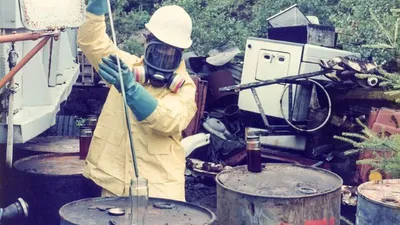
Most counties run free household hazardous waste collection events. Here's what qualifies, how to find your local event, and how to store stuff safely until then.
Read more →