Construction Debris: What You Can (and Can't) Take to the Dump
Renovating your home? Drywall, lumber, concrete, and roofing materials have different disposal rules than regular trash. Here's what to know.
Read more →Find landfills, transfer stations, and recycling centers across Maine
146 waste disposal facilities
Maine's waste management system emphasizes recycling and waste reduction, with facilities serving communities from Portland to remote northern forests. The Maine Department of Environmental Protection oversees regulations, with strong local control over solid waste management.
Showing 1-24 of 146 locations
Ashland · 54 Bellville Rd, Ashland, ME 04732
View DetailsBar Harbor · 9 White Spruce Rd, Bar Harbor, ME 04609
View DetailsBelfast · 32 Little River Dr, Belfast, ME 04915
View DetailsBiddeford · 371 Hill St, Biddeford, ME 04005
View DetailsBlue Hill · 885 Ellsworth Road, ME-172, Blue Hill, ME 04614
View DetailsBoothbay · 119 Country Club Rd, Boothbay, ME 04537
View DetailsBoothbay · 77 Country Club Rd, Boothbay, ME 04537
View DetailsBrewer · 221 Green Point Rd, Brewer, ME 04412
View DetailsBridgton · 118 Sandy Creek Rd, Bridgton, ME 04009
View DetailsBrunswick · Brunswick Landfill, Graham Road, Brunswick, 04011, Maine
View DetailsBucksport · 16 Transfer Station Rd, Bucksport, ME 04416
View DetailsBuxton · 185 Portland Rd, Buxton, ME 04093
View DetailsMaine's waste management system is regulated by the Department of Environmental Protection's Bureau of Remediation and Waste Management, which supports an integrated approach emphasizing waste reduction, reuse, and recycling over disposal. Under Maine Revised Statutes 38 MRS Section 1306, it is unlawful to establish, construct, alter, or operate any waste facility without a permit from the department. The state operates a network of municipal and regional landfills, private facilities, and town-operated transfer stations that serve communities from coastal Portland to the remote northern forests.
Most Maine towns operate their own transfer stations where residents bring household waste, recyclables, and special items for disposal. Access typically requires a permit or sticker obtained from town hall, with fees and operating hours varying by municipality. Waste collected at transfer stations is then transported to regional disposal facilities, including landfills and waste-to-energy plants. This decentralized system gives communities significant control over their solid waste management while maintaining compliance with state environmental standards.
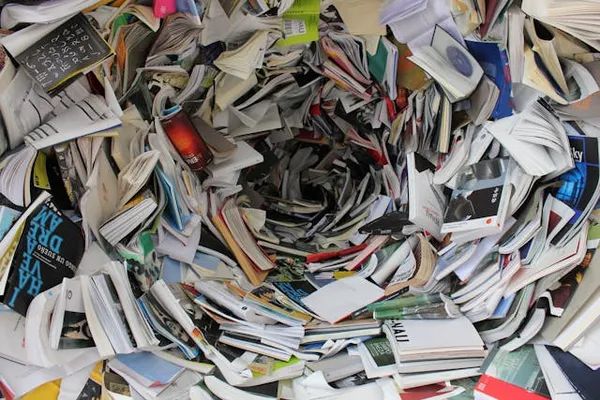
Recycling is mandatory in most Maine communities, with paper, cardboard, glass, metal, and plastics commonly accepted at transfer stations. Maine's bottle redemption program covers beer, soda, water, wine, and spirits containers, returning 5 or 15 cents per container depending on type. This program keeps millions of containers out of the waste stream annually and provides income for redemption centers and charitable organizations that collect empties. The next biennial recycling progress report from municipalities is due April 30, 2025.
The Maine Materials Management Plan establishes the state's goals for waste reduction and diversion. DEP programs address solid waste facilities management, sludge and residuals management, scrap tire management, electronic waste, mercury product management, and non-hazardous waste transporter licensing. For hazardous household waste like paint, pesticides, and chemicals, collection events are held throughout the state during warmer months, and some transfer stations accept certain materials year-round.
Before visiting any Maine disposal facility, contact them directly or check with your town office for permit requirements, current fees, and accepted materials. The DEP maintains comprehensive information about licensed facilities and waste management regulations on their website. For questions about specific waste types, DEP staff can be reached for electronics recycling, closed municipal landfills, and building demolition debris including lead and asbestos.
Learn how to properly dispose of common items.
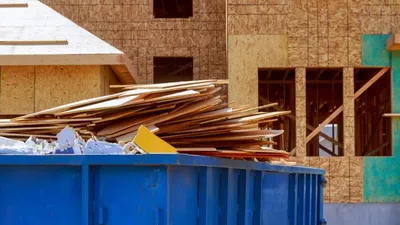
Renovating your home? Drywall, lumber, concrete, and roofing materials have different disposal rules than regular trash. Here's what to know.
Read more →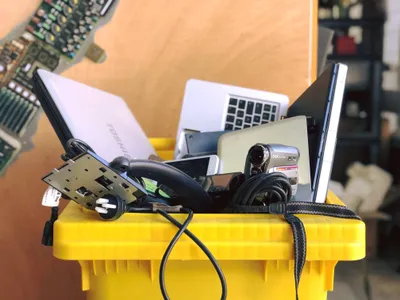
E-waste rules vary wildly by state. Some ban electronics from landfills entirely. Here's how to recycle old TVs, computers, and phones properly.
Read more →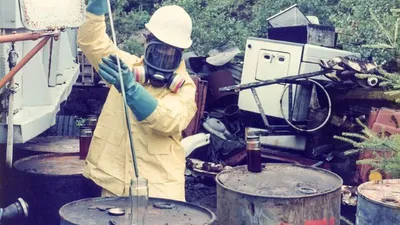
Most counties run free household hazardous waste collection events. Here's what qualifies, how to find your local event, and how to store stuff safely until then.
Read more →