Construction Debris: What You Can (and Can't) Take to the Dump
Renovating your home? Drywall, lumber, concrete, and roofing materials have different disposal rules than regular trash. Here's what to know.
Read more →C & D Landfill is the big burial site out on US-90 that locals and commercial haulers use when the trash won’t fit in the bin. Trucks and contractors drop off loads here as well as people with larger residential cleanouts. The place is built for handling Louisiana’s wetter-than-average waste, so expect the operators to follow wet-weather and hurricane-prep routines.
There’s a scale you’ll drive across - tipping fees are charged by weight, so vehicles usually stop twice: once in and once out. The entrance has a booth and a traffic flow that guides loads toward the working face and dumping areas; the site itself looks like layered dirt cells with heavy equipment moving piles around. During rainy stretches the ground can be muddy and operations slow down; high-moisture loads are common, so seeing soggy material and water management equipment is normal. Commercial trucks are accepted and there’s enough scale and space for semi traffic, though lines can form at busy times.
Learn how to properly dispose of common items.
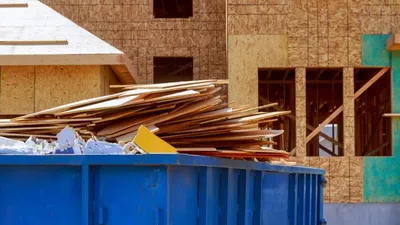
Renovating your home? Drywall, lumber, concrete, and roofing materials have different disposal rules than regular trash. Here's what to know.
Read more →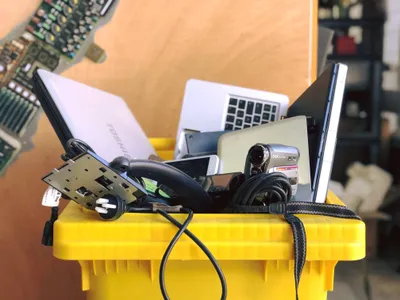
E-waste rules vary wildly by state. Some ban electronics from landfills entirely. Here's how to recycle old TVs, computers, and phones properly.
Read more →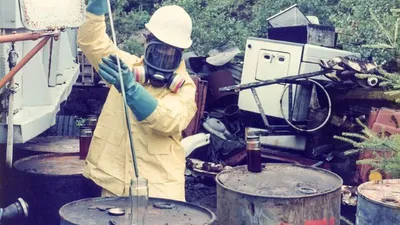
Most counties run free household hazardous waste collection events. Here's what qualifies, how to find your local event, and how to store stuff safely until then.
Read more →