Construction Debris: What You Can (and Can't) Take to the Dump
Renovating your home? Drywall, lumber, concrete, and roofing materials have different disposal rules than regular trash. Here's what to know.
Read more →A working county landfill on the east side of Eureka, used by local residents and area contractors hauling larger loads. Located at 1453 X Rd, this is the place trash ends up for burial rather than drop-off sites around the county. Folks from nearby farms and businesses come here when piles get too big for regular curbside pickup.
Drive up to a metal entrance with a small booth and a set of scales - trucks stop to be weighed and are charged by weight, so there’s usually a second stop on the way out. The tipping area is large and mostly open land with lined cells and heavy equipment moving dirt and compacting loads; it looks more like a work zone than a tidy transfer station. Recycle bins, if present, tend to be off to one side past the scales, and large commercial trucks pull in along a separate lane from the smaller pickups. Weekends and seasonal cleanups get busier, so expect a bit of a line at peak times.
Learn how to properly dispose of common items.
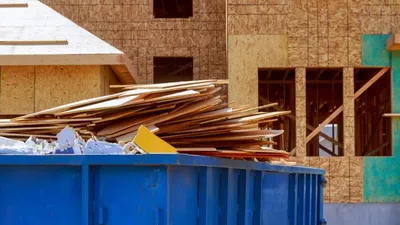
Renovating your home? Drywall, lumber, concrete, and roofing materials have different disposal rules than regular trash. Here's what to know.
Read more →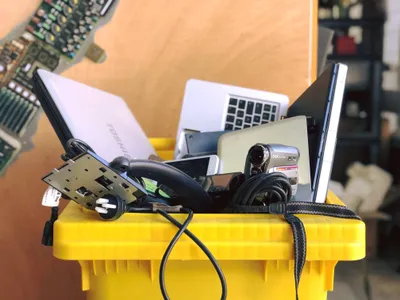
E-waste rules vary wildly by state. Some ban electronics from landfills entirely. Here's how to recycle old TVs, computers, and phones properly.
Read more →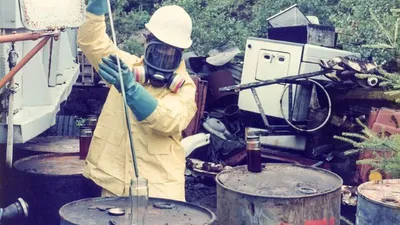
Most counties run free household hazardous waste collection events. Here's what qualifies, how to find your local event, and how to store stuff safely until then.
Read more →