Construction Debris: What You Can (and Can't) Take to the Dump
Renovating your home? Drywall, lumber, concrete, and roofing materials have different disposal rules than regular trash. Here's what to know.
Read more →Small, practical recycling center in Ottawa that locals drop off household recyclables at. People from town and nearby rural areas use it to keep cardboard, paper, cans and bottles out of the regional landfills. It sits on S Elm Street and is the kind of place visited during yard cleanup or moving days.
A working-yard look rather than a showroom - bins and containers for common recyclables like cardboard, mixed paper, metal cans, glass and many types of plastics are what get seen most often. Vehicles pull up to drive-by drop-off points or to bays where items are unloaded by hand, and materials are usually expected to be sorted or separated beforehand. Weekends, especially in spring, tend to be the busiest times with a steady line of pickups and trailers; take a little extra time for unloading then. Outdoor surfaces can be gravel or compacted lot, so expect some dust or mud depending on the weather.
Learn how to properly dispose of common items.
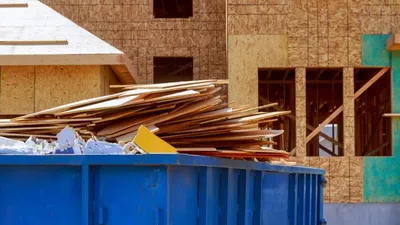
Renovating your home? Drywall, lumber, concrete, and roofing materials have different disposal rules than regular trash. Here's what to know.
Read more →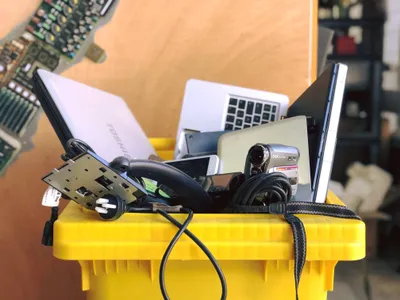
E-waste rules vary wildly by state. Some ban electronics from landfills entirely. Here's how to recycle old TVs, computers, and phones properly.
Read more →
Most counties run free household hazardous waste collection events. Here's what qualifies, how to find your local event, and how to store stuff safely until then.
Read more →