Construction Debris: What You Can (and Can't) Take to the Dump
Renovating your home? Drywall, lumber, concrete, and roofing materials have different disposal rules than regular trash. Here's what to know.
Read more →A working landfill on the edge of Sheldon that handles local household and farm-type loads. It’s the kind of place farmers and pickup drivers use when garage cleanouts or field cleanups pile up. Expect a rural, functional spot rather than anything fancy.
Drive in on 360th Street to a single entrance with a scale booth nearby; trucks typically stop on the scale coming in and again when leaving since tipping is charged by weight. The site is large and open with rows of compacted dirt and visible cells where material is buried, so there’s a distinct landfill smell on windy days. Pull up to the attendant booth to check in, then follow signage or workers’ directions to the active dumping area; commercial trucks are commonly seen there alongside pickups and trailers. Recycling collection bins and drop-off points are usually positioned off to the side of the main traffic flow.
Learn how to properly dispose of common items.
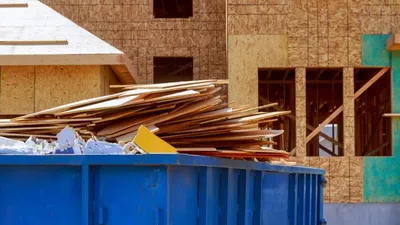
Renovating your home? Drywall, lumber, concrete, and roofing materials have different disposal rules than regular trash. Here's what to know.
Read more →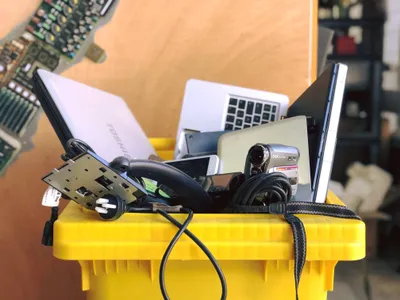
E-waste rules vary wildly by state. Some ban electronics from landfills entirely. Here's how to recycle old TVs, computers, and phones properly.
Read more →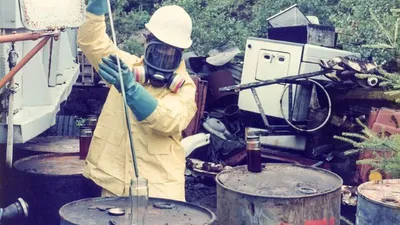
Most counties run free household hazardous waste collection events. Here's what qualifies, how to find your local event, and how to store stuff safely until then.
Read more →