Construction Debris: What You Can (and Can't) Take to the Dump
Renovating your home? Drywall, lumber, concrete, and roofing materials have different disposal rules than regular trash. Here's what to know.
Read more →A working landfill on the edge of Streator, mostly used by locals and local haulers hauling household and commercial loads. It’s the place trash ends up being buried rather than a transfer station or recycling center. Expect a practical, no-frills spot where trucks and pickup crews come through regularly.
Drive up the access road to a small entrance booth and a scale - vehicles usually stop to be weighed, so be ready to queue if others are ahead. The site is large earthworks and compacting equipment, with piles and cells visible from the drop-off area; it looks like heavy equipment territory rather than a neat recycling yard. Pull up where directed by signs or traffic flow, dump in the marked disposal area, then usually cross the scale again to finish the ticket process. Weekends and spring cleanup times can see backups, and larger commercial trucks are common.
Learn how to properly dispose of common items.
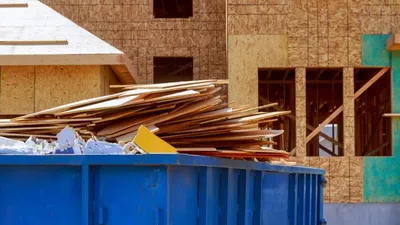
Renovating your home? Drywall, lumber, concrete, and roofing materials have different disposal rules than regular trash. Here's what to know.
Read more →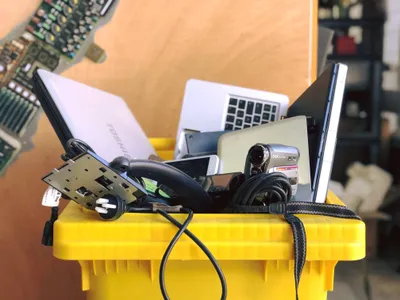
E-waste rules vary wildly by state. Some ban electronics from landfills entirely. Here's how to recycle old TVs, computers, and phones properly.
Read more →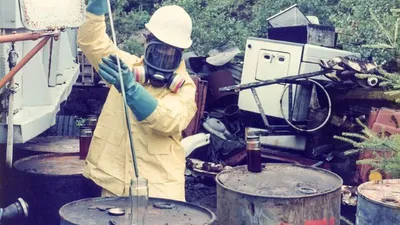
Most counties run free household hazardous waste collection events. Here's what qualifies, how to find your local event, and how to store stuff safely until then.
Read more →