Construction Debris: What You Can (and Can't) Take to the Dump
Renovating your home? Drywall, lumber, concrete, and roofing materials have different disposal rules than regular trash. Here's what to know.
Read more →A small county transfer station used by local residents dropping off household trash and small loads from nearby farms and towns. Located just off N 300th St in Mason, the site handles compacting and loading of refuse that gets hauled out to larger landfills. It’s the sort of place locals go when hauling a pickup or trailer and don’t want to drive to a distant landfill.
Look for a simple entrance with a booth or gate where vehicles briefly stop before proceeding; many transfer stations have a scale nearby and loads are often weighed, so expect an extra stop on the way out. The tipping area is open and functional rather than flashy - concrete pads, a compactor or roll-off area, and piles or containers where trucks load. Traffic is light compared with city facilities but can back up on weekends or during seasonal cleanups. Drive slowly through the site, follow staff directions if given, and have trash secured so it doesn’t blow out when dumping.
Learn how to properly dispose of common items.
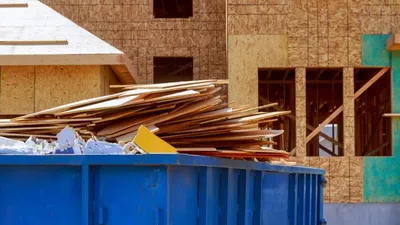
Renovating your home? Drywall, lumber, concrete, and roofing materials have different disposal rules than regular trash. Here's what to know.
Read more →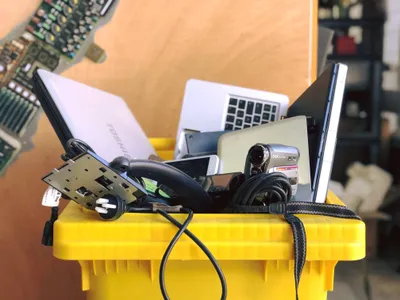
E-waste rules vary wildly by state. Some ban electronics from landfills entirely. Here's how to recycle old TVs, computers, and phones properly.
Read more →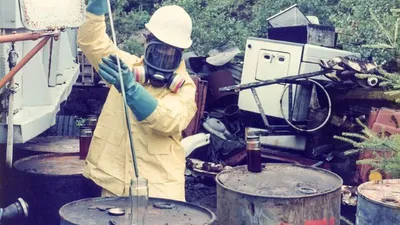
Most counties run free household hazardous waste collection events. Here's what qualifies, how to find your local event, and how to store stuff safely until then.
Read more →