Construction Debris: What You Can (and Can't) Take to the Dump
Renovating your home? Drywall, lumber, concrete, and roofing materials have different disposal rules than regular trash. Here's what to know.
Read more →2910 N 2800 E, Twin Falls, ID 83301
Small-but-large-feeling landfill on the north side of Twin Falls where most local residential and commercial haulers bring garbage to be buried. Trucks and pickups use this place; expect to see semi‑trucks alongside trailers and everyday cars with pickup beds full of junk. The site handles the final disposal-this is where loads get weighed and tipped.
Drive up to a entrance booth and you’ll likely pass a scale-loads are typically weighed and fees are based on weight, with a minimum charge for small residential drops. Pull up as directed for the scale, then follow signs or staff directions to the active tipping area; there’s usually a clear path where people unload. The property is open dirt and gravel in places with visible landfill slopes and cover material; big equipment like compactors and loaders move around. Lines form on weekends and during spring cleanups, so expect a bit of waiting if it’s busy.
Learn how to properly dispose of common items.
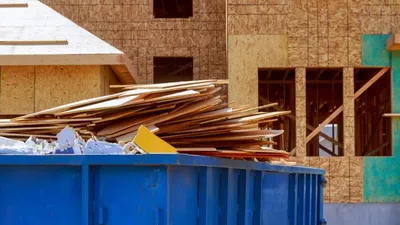
Renovating your home? Drywall, lumber, concrete, and roofing materials have different disposal rules than regular trash. Here's what to know.
Read more →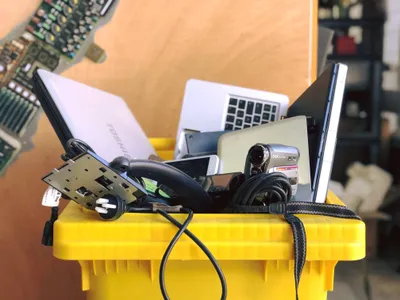
E-waste rules vary wildly by state. Some ban electronics from landfills entirely. Here's how to recycle old TVs, computers, and phones properly.
Read more →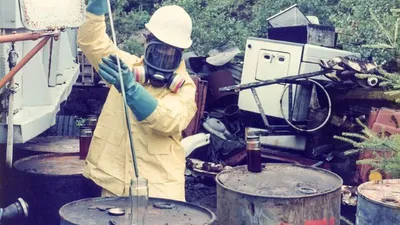
Most counties run free household hazardous waste collection events. Here's what qualifies, how to find your local event, and how to store stuff safely until then.
Read more →