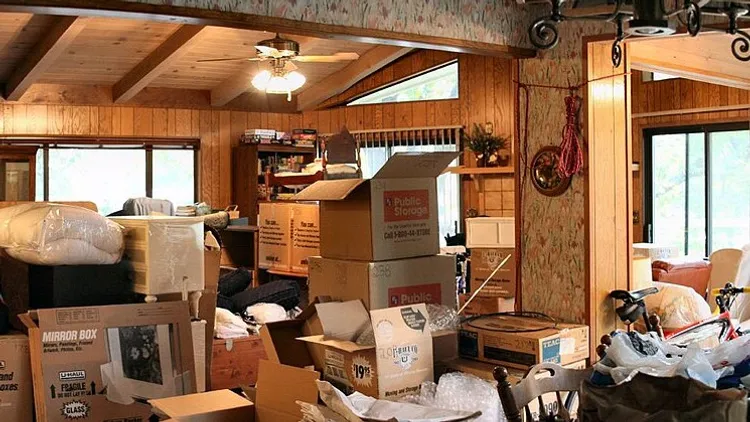
You’ve got boxes everywhere, a moving truck booked for next week, and a garage full of stuff that definitely isn’t going with you. After 25 years in waste management, I’ve seen what happens when people wait until the last minute to deal with disposal. Mattresses get dumped behind dumpsters, half-empty paint cans get left in basements, and security deposits disappear.
Moving is stressful enough without scrambling to get rid of an old refrigerator the day before the truck arrives. This guide walks you through exactly what to get rid of, when to do it, and how to do it without losing money or your mind.
Why You Need a Disposal Plan Before Moving Day
Most people underestimate how long it takes to properly dispose of unwanted items. Here’s why you can’t wing it:
Moving companies won’t take hazardous materials. Paint, propane tanks, cleaning chemicals, automotive fluids. None of that goes on the truck. If you haven’t dealt with it before moving day, you’re stuck.
Landlords charge disposal fees for items left behind. I’ve seen charges of $50-200 per item for mattresses, furniture, and appliances abandoned in units. Some property managers hire junk removal companies and pass the entire bill plus a service fee to former tenants.
Last-minute options are expensive. Junk removal services that can come same-day charge premium rates. You’ll pay 2-3 times more than if you’d planned ahead.
Some services require scheduling weeks in advance. City bulky pickup, hazardous waste collection events, utility appliance rebates. These have wait times.
Take photos of every room before you start decluttering. If a landlord claims you left items behind or caused damage, you'll have proof of the condition you left the place in. I've seen this save people thousands in deposit disputes.
The Moving Disposal Timeline
4 Weeks Before Moving Day
This is when you need to start. Wait any longer and you’ll run out of options.
Schedule city bulky pickup. Most municipalities offer free or low-cost pickup for large items like furniture and mattresses. Wait times can be 2-4 weeks, so call now. Search “[your city] bulky item pickup” to find the number.
Check utility rebate programs. Many utility companies offer $25-75 plus free pickup for working refrigerators and freezers. That second fridge in the garage? It’s costing you $100-150 per year in electricity. Get paid to remove it. Use the Energy Star Rebate Finder to find programs in your area.
Contact donation centers. Good condition furniture and appliances can be donated, but pickup often requires 1-2 weeks notice. Habitat for Humanity ReStores are a good option. Call to schedule before you’re down to the wire.
Find your next hazardous waste collection event. Paint, chemicals, batteries, electronics. Check with your county for scheduled household hazardous waste collection events.
Start sorting everything into categories: keep, sell, donate, dispose. Be honest. That exercise bike you haven’t used in three years isn’t coming with you.
For working appliances, see our full guide on how to dispose of appliances for utility rebate details. Got old electronics with trade-in value? Check our electronics recycling guide before tossing them.
Utility rebate programs for old fridges and freezers often pay $50-75 plus free pickup. But they require scheduling, and slots fill up fast. Call your utility company first thing when you decide to move.
2 Weeks Before Moving Day
Time to get aggressive about getting rid of things.
List remaining items online. Facebook Marketplace, Craigslist, Buy Nothing groups. Price things to sell fast. You’re not trying to maximize profit. You’re trying to empty your house.
Take hazardous materials to collection. Paint, chemicals, automotive fluids, propane tanks, batteries. This is your window. See our paint disposal guide for options if you miss the collection event.
Start drying out latex paint. If you can’t make a collection event, latex paint can go in regular trash once it’s completely dried. Pour cat litter or sawdust into the can, let it harden for a few days, then toss the whole thing with the lid off so trash collectors can see it’s solid.
Schedule junk removal if you have large quantities. If you’re looking at a full garage cleanout or estate situation, now’s the time to book a service. They typically need 3-5 days notice.
Confirm transfer station hours and accepted items. Some facilities have limited weekend hours or specific rules about what they take. Don’t show up with a truck full of mattresses only to find out they’re closed or don’t accept them.
Oil-based paint, pesticides, and pool chemicals cannot go in regular trash. If you miss your local HHW collection, you'll need to find a permanent drop-off site or store them safely until the next event. Check with your county for year-round options. Don't leave them for the next tenant.
1 Week Before Moving Day
Final push. Everything needs to go this week.
Confirm all scheduled pickups. Call to verify dates and times for bulky item pickup, donation pickups, and utility rebate appointments. Things fall through the cracks. A quick call can prevent a major headache.
Make transfer station runs. Load up everything that’s left and make trips. Use our interactive map to find facilities near you. Transfer stations typically charge by weight or per item, with mattresses running $20-50 and furniture $10-30.
Post curb alerts. Put decent items at the curb with a “FREE” sign and post on Facebook Marketplace and Craigslist with your address. You’d be amazed how fast stuff disappears. I’ve seen entire couches gone in 20 minutes.
Handle electronics. TVs, computers, monitors, printers. Best Buy accepts most electronics for free (limit of 3 items per day). See our full electronics recycling guide for options.
Deal with yard debris. If you’ve done final landscaping or cleanup, bag yard waste for municipal pickup or haul it to a transfer station. Our yard waste disposal guide covers all the options.
For mattresses, box springs, and other bulky bedroom items, check our mattress disposal guide. Old furniture? See our couch and furniture disposal guide.
Transfer stations are least busy on Tuesday and Wednesday mornings. The week before a move is not the time to spend two hours in line on a Saturday. Get there early on a weekday and you'll be in and out in 15 minutes.
Got old tires in the garage? Check our tire disposal guide. They can’t go in regular trash and most landfills charge $3-10 per tire.
Moving Day and Final Walkthrough
You should have nothing left to dispose of by now. But reality happens.
Do a complete walkthrough. Check every room, closet, cabinet, and storage area. Common forgotten spots:
- Water heater closets
- Behind washers and dryers
- Garage rafters and shelving
- Attic and basement corners
- Outdoor sheds and storage bins
- Under decks and porches
Remove everything. Even if it’s just trash, bag it and take it. Leaving anything behind gives landlords grounds to charge disposal fees.
Document the empty condition. Walk through with your phone recording video. Open every cabinet, show every room. Date-stamp matters for deposit disputes.
Landlords can deduct disposal costs from your deposit for anything left behind. I've seen people lose $500+ because they forgot about items in a shed or basement. The final walkthrough is worth 30 extra minutes.
Room-by-Room Disposal Guide
Garage and Shed
The garage is usually the biggest challenge. It’s where all the problem items live.
Paint cans: Latex paint can be dried out and trashed. Oil-based paint is hazardous waste. Check our complete paint disposal guide for step-by-step instructions.
Automotive fluids: Motor oil goes to any auto parts store for free. Most AutoZone, O’Reilly, and Advance Auto Parts locations accept used oil. Antifreeze, brake fluid, and transmission fluid are hazardous waste.
Propane tanks: Most hardware stores have exchange programs (Blue Rhino, AmeriGas). Swap your old tank for a credit toward a new one. Never put propane tanks in regular trash.
Tires: Transfer stations typically charge $3-10 per tire. Some tire shops will take them for a fee. See our tire disposal guide for all options.
Chemicals and pesticides: Hazardous waste collection only. No exceptions. Check our hazardous waste guide for collection schedules.
Old power tools and lawn equipment: If they’re broken beyond repair, scrap metal recyclers may take them. If they work, donate or sell them. Working equipment goes fast on Marketplace.
Never pour automotive fluids, paint, or chemicals down drains or on the ground. One quart of motor oil can contaminate 250,000 gallons of drinking water. Fines start at $500 and can reach $25,000 for serious violations. And yes, people do get caught.
Kitchen
Kitchen disposal is mostly straightforward, with a few exceptions.
Appliances: Working fridges and freezers often qualify for utility rebates. Broken appliances go to scrap metal recyclers or transfer stations. Appliances with refrigerant (fridges, freezers, window AC units) require special handling due to EPA Section 608 requirements. See our appliance disposal guide for details.
Expired food: Regular trash. Drain liquids first. Don’t put meat or dairy in compost unless your municipal program specifically accepts it.
Cleaning supplies: Use up what you can. Give usable items to neighbors or friends. Harsh chemicals like oven cleaners and drain openers are hazardous waste.
Broken small appliances: Most can go in regular trash, but many are accepted for electronics recycling at Best Buy and similar retailers.
That second fridge in the garage is costing you $100-150 per year in electricity. If it's working, utility rebate programs will pay you to take it away. If it's not, you're just storing a problem. Either way, deal with it before you move.
Bedroom and Living Areas
These rooms are all about bulky items.
Mattresses: City bulky pickup (free), transfer stations ($20-50), or junk removal services. In California, Connecticut, and Rhode Island, mattresses must be recycled. The Bye Bye Mattress program offers free drop-off. See our complete mattress disposal guide.
Furniture: Donate good condition pieces to Habitat ReStore or Salvation Army. Broken furniture goes to bulky pickup or transfer stations. Our furniture disposal guide covers all options.
Old linens and pillows: Textile recycling bins accept clean items. ClotheDonations.com can help you find clothing and textile donation drop-offs near you. Animal shelters sometimes take old towels and blankets for bedding. Stained or damaged items go in regular trash.
Electronics: TVs, computers, monitors. Never put these in regular trash. Best Buy recycling accepts most electronics free. See our electronics recycling guide.
In California, Connecticut, and Rhode Island, mattresses are banned from landfills. You must use a recycling program. The good news: drop-off is free because the recycling fee is built into new mattress purchases.
Bathroom and Laundry
Smaller items here, but some require special handling.
Medications: Never flush them. Pharmacy take-back programs are the best option. Many CVS, Walgreens, and grocery store pharmacies have drop boxes. DEA Take Back Day happens twice per year. Police stations often have permanent drop boxes.
Cleaning chemicals: Use up normal household cleaners. Bleach, toilet bowl cleaners, and similar products are fine to pour down the drain in small amounts with running water. Harsh chemicals and anything you wouldn’t normally put down the drain go to hazardous waste collection.
Aerosol cans: Empty cans can go in recycling if your program accepts them. Cans with product remaining are hazardous waste.
Never flush medications down the toilet (unless the label specifically says to). Pharmaceuticals contaminate water supplies and harm aquatic life. Find a pharmacy take-back program or police station drop box instead.
Outdoor and Yard Areas
Don’t forget about the outside.
Grills: Remove the propane tank first and exchange it at any hardware store. The grill itself often has scrap value. Scrap metal yards will take it for free because the steel has value. If it’s too rusty, take it to the transfer station.
Outdoor furniture: Decent condition items sell quickly on Marketplace. Broken plastic furniture goes in regular trash. Metal furniture goes to scrap.
Yard debris: If you’ve done final cleanup, bag leaves and grass clippings for municipal pickup. Branches typically need to be bundled. Check our yard waste disposal guide for local rules.
Garden chemicals: Fertilizers, pesticides, herbicides. All hazardous waste. No exceptions.
Scrap metal yards will often take old grills, lawn mowers, and metal outdoor furniture for free because the metal has value. Just remove propane tanks and gas first. Call ahead to confirm what they accept.
Disposal Method Comparison
Here’s how your main options compare:
| Method | Cost | Timeline | Best For | Limitations |
|---|---|---|---|---|
| City Bulky Pickup | Free - $75 | 1-4 weeks | Furniture, mattresses | Limited items per year |
| Transfer Station | $40-100/load | Same day | Large quantities | Need truck or trailer |
| Donation Pickup | Free + tax deduction | 1-2 weeks | Good condition items | Strict quality requirements |
| Junk Removal Service | $150-500+ | Same day | Everything at once | Most expensive option |
| Utility Rebate Programs | Get paid $25-75 | 1-2 weeks | Working fridges, freezers | Must be working |
| Retailer Recycling | Free | Same day | Electronics, small items | Size and quantity limits |
| HHW Collection | Free | Event schedule | Paint, chemicals, batteries | Limited dates |
| Curb Alert/Buy Nothing | Free | Hours to days | Anything decent | No-shows, weather |
| Scrap Metal Recyclers | Free or paid | Same day | Metal items | Transportation needed |
Cost Breakdown by Scenario
Apartment Move (Minimal Items)
- Mattress disposal: $0-50 (bulky pickup or transfer station)
- Paint cans: $0 (HHW collection or dried out)
- Old furniture: $0 (donation or curb alert)
- Electronics: $0 (Best Buy recycling)
- Total: $0-50
House Move (Moderate Items)
- Mattress + box spring: $30-75
- Old fridge (utility rebate): -$50 to -$75 (you get paid)
- Furniture (broken items via junk removal): $150-200
- Paint and chemicals (HHW): $0
- Transfer station run (miscellaneous): $50-75
- Total: $130-225
Estate or Full House Cleanout
- Junk removal (multiple loads): $400-800
- Specialized appliance disposal: $50-100
- HHW collection (multiple items): $0
- Transfer station runs (3-4 loads): $150-300
- Total: $600-1,200
- Alternative: Dumpster rental $300-500 for a week (you load it yourself)
For major cleanouts, compare dumpster rental versus junk removal. A 20-yard dumpster costs $300-500 for a week but requires you to load it yourself. Junk removal costs more but they do all the work. If you're physically able and have help, the dumpster route saves money. If you're doing it alone or have mobility issues, junk removal is worth the premium.
State-by-State Considerations
California
The strictest disposal rules in the country. Take this seriously.
Mattresses are banned from landfills. Use the Bye Bye Mattress program for free drop-off at 200+ locations. Retailers must accept your old mattress when delivering a new one.
All electronics are banned from regular trash. TVs, computers, monitors. Use CalRecycle’s e-waste locator to find drop-off sites.
PaintCare program: Drop off paint for free at most hardware stores and paint retailers. Find a drop-off location.
SB 1383: Yard waste and food scraps are banned from landfills statewide. Use your green bin.
Utility rebates are excellent through PG&E, SCE, and SDG&E. Check with your provider.
Browse all California disposal facilities in our directory.
Texas
No statewide disposal rules. It’s all city by city.
Houston: Free drop-off at Neighborhood Depositories. Quarterly bulky pickup schedule.
Dallas: Bulky pickup available for $24-85 depending on item count. Solid HHW program at Home Chemical Collection Center.
Austin: Free bulky pickup with scheduling. Excellent recycling programs.
San Antonio: Monthly bulky waste collection included with service.
Utility rebates available through CenterPoint Energy and Oncor. TCEQ has state environmental info.
Find Texas landfills and transfer stations.
Florida
County-based programs with no statewide rules.
Most urban counties offer monthly bulky pickup. Check with your local waste authority for schedules.
HHW collection varies by county. Some have permanent drop-off sites, others do quarterly events.
No mandatory recycling programs for mattresses or electronics, but many transfer stations accept them for reasonable fees.
Hurricane season (June through November) often creates special bulk pickup schedules after storms. Check with your county.
Florida DEP has info on county programs. See all Florida disposal locations.
New York
NYC residents: Free bulky pickup through DSNY. Important: mattresses must be sealed in a plastic bag for bed bug prevention. This is a city health code requirement.
SAFE disposal events for household hazardous waste happen throughout the year in NYC.
E-waste is banned from trash statewide. Use Best Buy or certified recyclers.
PaintCare program available. Find drop-off locations.
Upstate New York varies significantly by county. Check with your local municipality.
Find New York facilities in our directory.
Georgia
My home state. I know these programs well.
Metro Atlanta counties (Fulton, DeKalb, Cobb, Gwinnett) all have solid programs.
Georgia Power offers $50 rebate plus free pickup for working refrigerators and freezers. One of the better utility programs in the Southeast.
County transfer stations typically charge $25-50 per mattress, $20-35 for furniture.
HHW collection is usually monthly in metro areas, quarterly in rural counties.
Most counties offer quarterly bulky pickup included with service. Check your waste bill for the schedule.
Find Georgia disposal facilities near you.
What You Absolutely Cannot Leave Behind
Leaving items behind when you move is illegal dumping, even if it's "just a few things." Landlords can charge disposal fees ($50-200 per item), deduct from your security deposit, and in some cases pursue legal action. I've testified in court cases where tenants were held liable for thousands in cleanup costs.
Items that will definitely cause problems:
- Hazardous materials (paint, chemicals). Landlords can sue for remediation costs.
- Appliances, especially those with refrigerant. Proper disposal is expensive.
- Mattresses. One of the most common complaints from landlords.
- Large furniture. Attracts pests if left outside.
- Anything in attached storage areas. Sheds, basements, attics all count.
Real-world consequences I’ve seen:
- Lost security deposits ($500-2,000)
- Additional disposal fees billed to former tenants ($200-1,000)
- Small claims court for excessive damages ($1,000-5,000)
- Bad rental references that follow people for years
When to Hire Help vs. DIY
Hire a junk removal service when:
- You have mobility limitations
- No access to a truck or trailer
- Moving out of state with no time for multiple trips
- Large quantities of heavy items
- Tight timeline (less than 1 week)
- Estate cleanout situation
DIY it when:
- Moderate amount of items
- Flexible timeline (2+ weeks)
- Access to truck or trailer
- Physically able to lift and load
- Items qualify for free programs (utility rebates, donation, HHW collection)
The math: DIY transfer station trips typically run $50-150 total. Junk removal services start at $300-600 for comparable amounts. The break-even point is usually around $300-400 in disposal costs, depending on your time and physical ability.
Moving Day Disposal Checklist
- 4 weeks out: Schedule city bulky pickup
- 4 weeks out: Check utility rebate programs for appliances
- 4 weeks out: Contact donation centers for furniture pickup
- 3 weeks out: Find your next HHW collection event
- 2 weeks out: List remaining items on Facebook/Craigslist
- 2 weeks out: Take hazardous materials to HHW collection
- 1 week out: Confirm all scheduled pickups
- 1 week out: Make transfer station runs for remaining items
- 1 week out: Recycle electronics at Best Buy or certified recycler
- Day before: Post curb alerts for last-minute free items
- Moving day: Final walkthrough of every space
- Moving day: Document empty condition with photos/video
Related Guides
Moving often involves multiple disposal challenges. Here are our detailed guides for specific items:
- How to Dispose of a Mattress - Most moves involve getting rid of at least one
- How to Dispose of Paint - Garage cleanout essential
- How to Dispose of Appliances - Utility rebates can save (or make) you money
- Yard Waste Disposal Guide - For that final cleanup before move-out
- How to Dispose of Furniture - Bulky item options
- Electronics Recycling Guide - TVs, computers, phones
- Tire Disposal Guide - That stack in the garage corner
- Construction Debris Disposal - If you’re doing repairs before moving
- Hazardous Waste Collection Days - Critical for garage chemicals
- Holiday Cleanup Guide - Seasonal timing if moving around the holidays
The Bottom Line
Start 4 weeks before moving day. Seriously. The biggest mistake people make is thinking they can deal with everything the week of the move.
Free options exist for almost everything. Utility rebates for appliances, donation pickups for good furniture, HHW collection for chemicals, Best Buy for electronics. You just have to plan ahead.
Transfer stations are your friend for bulk disposal. Rent a truck if needed and make a few runs. It’s almost always cheaper than junk removal if you can do the lifting.
Document everything. Photos before decluttering, receipts from disposal, video of the empty place. Protect yourself from deposit disputes.
Use our state directory or interactive map to find disposal facilities near you.
Create a simple spreadsheet tracking every item you need to dispose of, the method you're using, and the scheduled date. Moving is chaotic. You won't remember that the bulky pickup is Wednesday or that the HHW event is two Saturdays from now unless you write it down. A 10-minute planning session now saves hours of stress later.