Construction Debris: What You Can (and Can't) Take to the Dump
Renovating your home? Drywall, lumber, concrete, and roofing materials have different disposal rules than regular trash. Here's what to know.
Read more →Small, no-frills disposal site just off Jeffs Way in Blue Ridge, used mainly by local homeowners and contractors dropping off construction and demolition debris. The driveway and entrance look like a gravel farm lane rather than a polished transfer station, and most folks come here for straightforward disposal rather than recycling services.
Drive up the short access road to a manned entrance booth and pull into a lane for sorting or weighing; sites like this commonly charge by weight so expect to stop at a scale on the way in or out. There are large open bays and roll-off areas where crews and drivers dump loads; trucks and trailers are the easiest to maneuver here. The ground is mostly gravel and dirt, so bring suitable footwear and expect dust in dry weather and muck after rain. Weekends, especially during spring cleanup or after storms, tend to be the busiest times with short lines of trucks waiting to get through.
Learn how to properly dispose of common items.
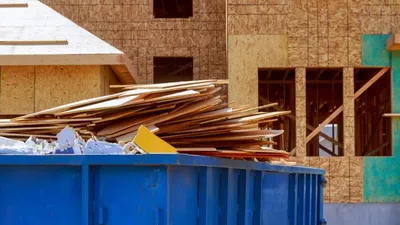
Renovating your home? Drywall, lumber, concrete, and roofing materials have different disposal rules than regular trash. Here's what to know.
Read more →
E-waste rules vary wildly by state. Some ban electronics from landfills entirely. Here's how to recycle old TVs, computers, and phones properly.
Read more →
Most counties run free household hazardous waste collection events. Here's what qualifies, how to find your local event, and how to store stuff safely until then.
Read more →