Construction Debris: What You Can (and Can't) Take to the Dump
Renovating your home? Drywall, lumber, concrete, and roofing materials have different disposal rules than regular trash. Here's what to know.
Read more →Quiet county landfill just off Kaigler Road used by Georgetown residents and local haulers. Smaller than the big metro dumps but clearly a final stop where municipal and contractor loads end up. Folks bring household trash, yard debris and construction material, though Georgia has specific rules for construction debris that need checking first.
Drive up to a small entrance booth and follow the lane toward the tipping area and active cell; there’s usually a scale on the way in or out so expect to stop for a weigh-in. The site looks like packed dirt roads, rows of compacted cells and heavy equipment moving around, so pull up slowly and watch for trucks. Tipping fees are charged (often by weight or by load at county landfills), and larger commercial loads are commonly accepted at county facilities - confirm with the county office if hauling for business. Bring a secure, tarp-covered load and be prepared to drive to a working face where staff will direct where to dump.
Learn how to properly dispose of common items.
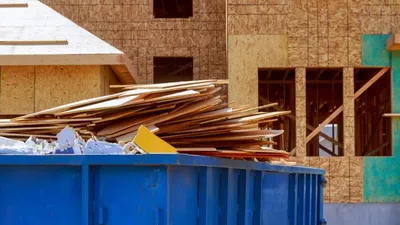
Renovating your home? Drywall, lumber, concrete, and roofing materials have different disposal rules than regular trash. Here's what to know.
Read more →
E-waste rules vary wildly by state. Some ban electronics from landfills entirely. Here's how to recycle old TVs, computers, and phones properly.
Read more →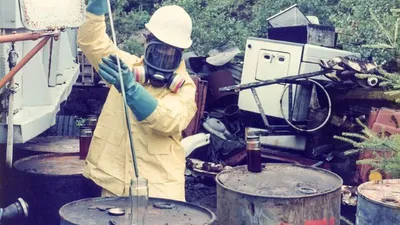
Most counties run free household hazardous waste collection events. Here's what qualifies, how to find your local event, and how to store stuff safely until then.
Read more →