Construction Debris: What You Can (and Can't) Take to the Dump
Renovating your home? Drywall, lumber, concrete, and roofing materials have different disposal rules than regular trash. Here's what to know.
Read more →Murray County Landfill is the county landfill out on US-411 in Chatsworth, the place trucks and pickups go when trash gets buried for the last time. Locals and contractors both use it-this is the kind of facility that handles larger loads and operates on a tipping fee structure rather than flat curbside pickup.
Drive in and spot an entrance booth and a scale-vehicles are typically weighed so expect to stop on the scale on the way in and again leaving. The site is large, with rows of compacted earth and a working face where material is deposited; larger trucks pull up close to that area while smaller vehicles are directed to a different drop point. There’s usually a clear flow of traffic: slow down at the booth, follow attendants’ directions or signage for the scale and drop-off, then return to the scale for final weighing. Lines can form at peak times, so allow extra time if hauling a big load.
Learn how to properly dispose of common items.
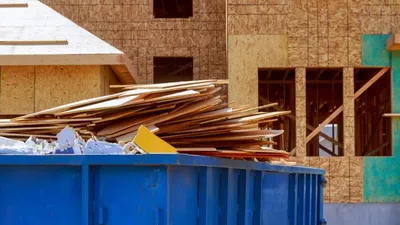
Renovating your home? Drywall, lumber, concrete, and roofing materials have different disposal rules than regular trash. Here's what to know.
Read more →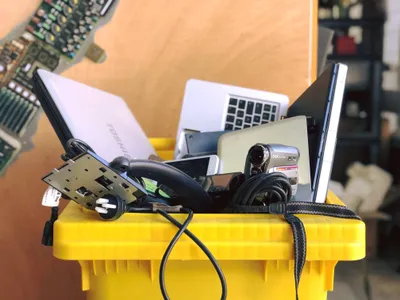
E-waste rules vary wildly by state. Some ban electronics from landfills entirely. Here's how to recycle old TVs, computers, and phones properly.
Read more →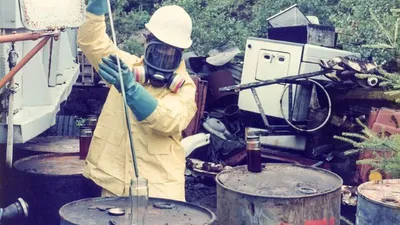
Most counties run free household hazardous waste collection events. Here's what qualifies, how to find your local event, and how to store stuff safely until then.
Read more →