Construction Debris: What You Can (and Can't) Take to the Dump
Renovating your home? Drywall, lumber, concrete, and roofing materials have different disposal rules than regular trash. Here's what to know.
Read more →Byrd's Inert Landfill is the county landfill out on Hwy 53 that handles final burial of inert materials; locals and small contractors drop off construction and yard-type debris here. The site sees a mix of residential and commercial traffic and is the kind of place people bring big loads rather than daily household trash.
A weigh scale is on site so loads are measured and tipping fees apply; those fees are based on either weight or a flat rate depending on the size of the load. There’s an entrance booth and you’ll pull up to the scale first, then be directed to the active dumping area or cell. The property is large and open, with dirt roads and staged piles of soil and debris; expect some dust and typical landfill machinery nearby. Weekends and spring cleanup times tend to be busier, so lines at the scale can form.
Learn how to properly dispose of common items.
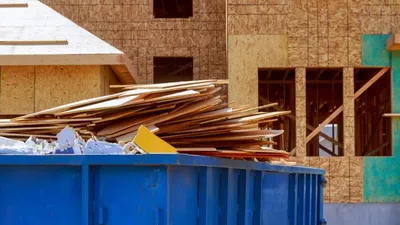
Renovating your home? Drywall, lumber, concrete, and roofing materials have different disposal rules than regular trash. Here's what to know.
Read more →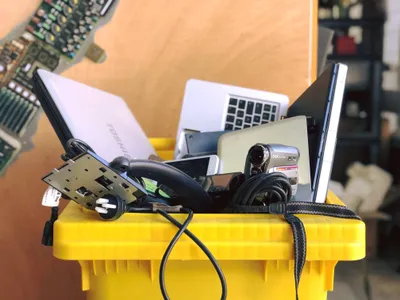
E-waste rules vary wildly by state. Some ban electronics from landfills entirely. Here's how to recycle old TVs, computers, and phones properly.
Read more →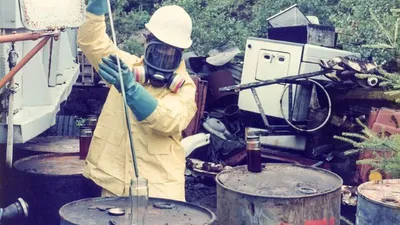
Most counties run free household hazardous waste collection events. Here's what qualifies, how to find your local event, and how to store stuff safely until then.
Read more →