Construction Debris: What You Can (and Can't) Take to the Dump
Renovating your home? Drywall, lumber, concrete, and roofing materials have different disposal rules than regular trash. Here's what to know.
Read more →Bryan County Landfill on Fort McAllister Rd in Richmond Hill is the county landfill where household trash and contractor loads get buried. Locals and commercial haulers both drop things off there, since it's the final destination for trash from the area. The place looks like a working dirt yard - big mounds, heavy equipment, and gravel driving surfaces.
There’s usually an entrance booth and a vehicle scale; many landfills use tipping fees charged by weight or by load, so stopping at the scale is common. Pull up slowly to the booth and follow the posted directions toward the tipping area; the roads inside are mostly gravel and can be muddy after rain. Open tarps or lower trailer gates before getting into position to dump - it speeds things up. Large machines will be moving and compacting material, so keep a safe distance and watch for site traffic.
Learn how to properly dispose of common items.
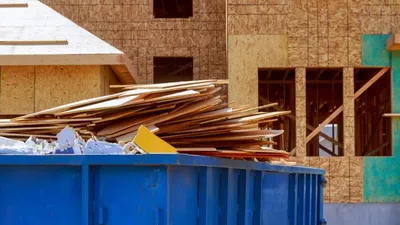
Renovating your home? Drywall, lumber, concrete, and roofing materials have different disposal rules than regular trash. Here's what to know.
Read more →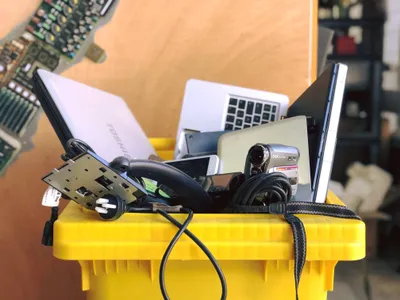
E-waste rules vary wildly by state. Some ban electronics from landfills entirely. Here's how to recycle old TVs, computers, and phones properly.
Read more →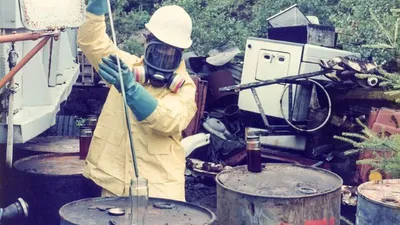
Most counties run free household hazardous waste collection events. Here's what qualifies, how to find your local event, and how to store stuff safely until then.
Read more →