Construction Debris: What You Can (and Can't) Take to the Dump
Renovating your home? Drywall, lumber, concrete, and roofing materials have different disposal rules than regular trash. Here's what to know.
Read more →A working landfill on the north side of Campbellton, used by homeowners, contractors and haulers hauling final-disposal loads. It’s the kind of place people go when trash needs burying rather than recycling or drop-off. Expect a busy, industrial feel rather than anything tidy or landscaped.
Look for a single lane in to an entrance booth and a large axle scale - vehicles usually stop on the scale coming in and again when leaving because charges are by weight. Large earthen mounds, compacting equipment and roll-off containers are visible from the access road; trucks and trailers are common. Commercial loads are typically handled at landfills like this, so semi-trucks and dump trailers are normal; residential pickups and small trailers show up too. During hurricane season and spring yard-cleanup times there can be long lines and people stacking brush and vegetative debris to the side.
Learn how to properly dispose of common items.
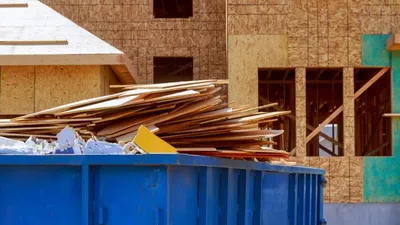
Renovating your home? Drywall, lumber, concrete, and roofing materials have different disposal rules than regular trash. Here's what to know.
Read more →
E-waste rules vary wildly by state. Some ban electronics from landfills entirely. Here's how to recycle old TVs, computers, and phones properly.
Read more →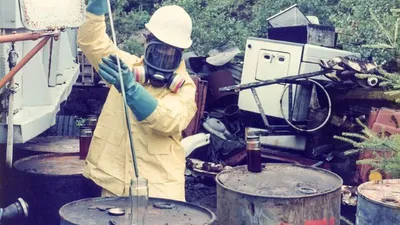
Most counties run free household hazardous waste collection events. Here's what qualifies, how to find your local event, and how to store stuff safely until then.
Read more →