Construction Debris: What You Can (and Can't) Take to the Dump
Renovating your home? Drywall, lumber, concrete, and roofing materials have different disposal rules than regular trash. Here's what to know.
Read more →A big, working landfill on the west side of Panama City Beach where both homeowners and haulers drop off the stuff they can't otherwise recycle. It's the kind of place that stays busy year-round, especially when storms roll through and there's hurricane debris to deal with. Expect a large site with heavy equipment moving around and separate piles for yard waste most of the time.
Drive up to an entrance booth and you'll usually be directed across a scale - tipping fees are handled by weight, so there's typically a weigh-in and weigh-out. Pull through slowly; trucks and roll-offs are common and the roads inside are wide but dusty. Signs and traffic cones point to different drop zones, with yard debris often off to one side and the main burial area farther in. Lines can build on weekends and after big storms, so be prepared for a short wait before getting to the drop point.
Learn how to properly dispose of common items.
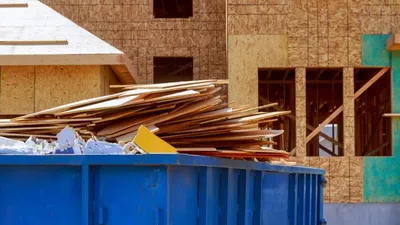
Renovating your home? Drywall, lumber, concrete, and roofing materials have different disposal rules than regular trash. Here's what to know.
Read more →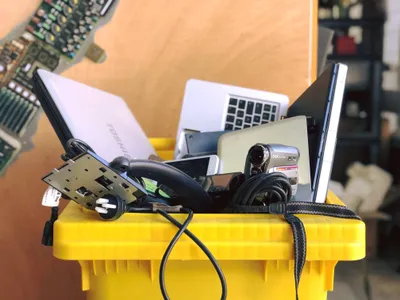
E-waste rules vary wildly by state. Some ban electronics from landfills entirely. Here's how to recycle old TVs, computers, and phones properly.
Read more →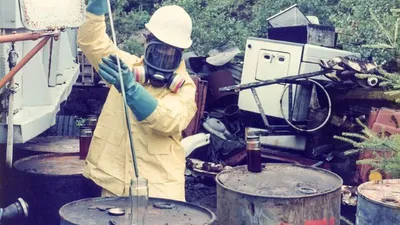
Most counties run free household hazardous waste collection events. Here's what qualifies, how to find your local event, and how to store stuff safely until then.
Read more →