Construction Debris: What You Can (and Can't) Take to the Dump
Renovating your home? Drywall, lumber, concrete, and roofing materials have different disposal rules than regular trash. Here's what to know.
Read more →A working recycling center in Orlando that sees a steady mix of residential drop-offs and small commercial haulers. Neighbors swing by with cardboard, cans, bottles and other recyclables; landscapers and homeowners bring bulky yard debris after storms. It's the kind of place locals use when they want to keep stuff out of the landfill.
Drive in to a gated entrance with an attendant booth and traffic lanes; larger trucks use the left lane while cars and small trailers pull to the right. There is a scale near the entrance/exit so loads are weighed, meaning a stop both coming and going is likely. Recycling bins and bunkers are arranged out in the yard - cardboard, paper, metals and bottles are usually in separate receptacles - and there are often separate piles or a fenced area for yard waste, especially in hurricane season. Expect typical industrial sights: concrete pads, loaders moving material, and signs marking where each material goes.
Learn how to properly dispose of common items.
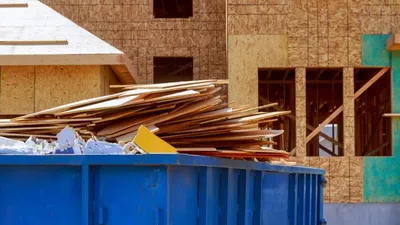
Renovating your home? Drywall, lumber, concrete, and roofing materials have different disposal rules than regular trash. Here's what to know.
Read more →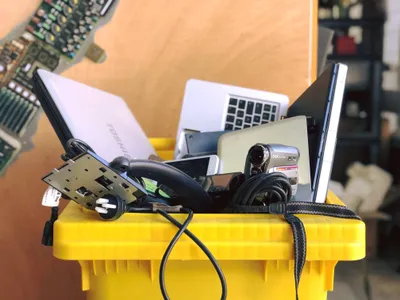
E-waste rules vary wildly by state. Some ban electronics from landfills entirely. Here's how to recycle old TVs, computers, and phones properly.
Read more →
Most counties run free household hazardous waste collection events. Here's what qualifies, how to find your local event, and how to store stuff safely until then.
Read more →