Construction Debris: What You Can (and Can't) Take to the Dump
Renovating your home? Drywall, lumber, concrete, and roofing materials have different disposal rules than regular trash. Here's what to know.
Read more →Orlando Transfer Station is a municipal transfer station on L.B. McLeod Road used by residents and small haulers who want to drop off household and yard-type loads without driving out to a distant landfill. It’s the sort of place where trucks and pickup beds get emptied into large containers or compactors, then hauled out to a landfill elsewhere. Locals swing by for bulky cleanouts, construction-type loads, or yard debris.
Drive up the entrance and there’s usually an attendant booth and a traffic flow that directs vehicles toward a scale or drop area; many transfer stations in Florida use a scale and charge by weight, so plan for a stop on the way out. The site is large and industrial-looking - concrete bays, tall roll-off containers, and compacting equipment dominate the yard, with separate piles or bays for different materials at many facilities. Weekends and spring cleanup times get backed up, and hurricane season can bring long lines and extra debris-handling activity. Pull alongside the appropriate bay, follow staff instructions at the booth, and be prepared to secure loose material before driving off.
Learn how to properly dispose of common items.
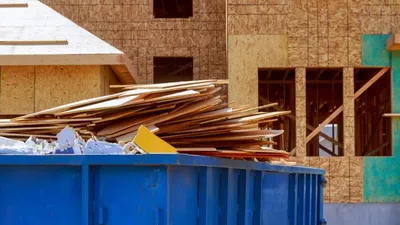
Renovating your home? Drywall, lumber, concrete, and roofing materials have different disposal rules than regular trash. Here's what to know.
Read more →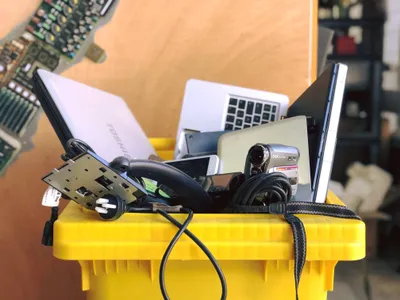
E-waste rules vary wildly by state. Some ban electronics from landfills entirely. Here's how to recycle old TVs, computers, and phones properly.
Read more →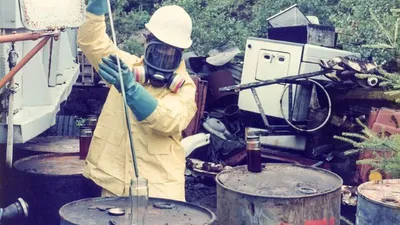
Most counties run free household hazardous waste collection events. Here's what qualifies, how to find your local event, and how to store stuff safely until then.
Read more →