Construction Debris: What You Can (and Can't) Take to the Dump
Renovating your home? Drywall, lumber, concrete, and roofing materials have different disposal rules than regular trash. Here's what to know.
Read more →Glades Landfill LLC on FL-78 is the county landfill people use when hauling loads that need to be buried rather than recycled. Locals, landscapers and commercial haulers show up here for bigger jobs and storm cleanups. It’s the kind of place visited when a pickup or roll-off is full and there’s no other option.
Drive in off State Road 78 and you'll see an entrance booth and a scale - the site charges tipping fees by weight, so trucks typically stop to be weighed. After the scale the road leads up to the working face and large dirt cells; expect heavy equipment like bulldozers and compactors moving material. There’s usually a separate pile or area for yard debris and hurricane-related brush, and commercial trucks are handled alongside residential drop-offs. Visibility can be dusty on dry days and muddy after storms, with high berms and cover soil visible around the active areas.
Learn how to properly dispose of common items.
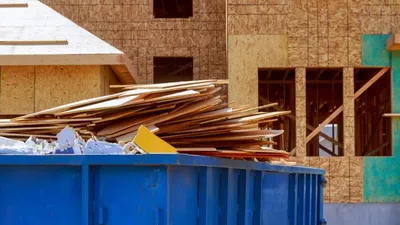
Renovating your home? Drywall, lumber, concrete, and roofing materials have different disposal rules than regular trash. Here's what to know.
Read more →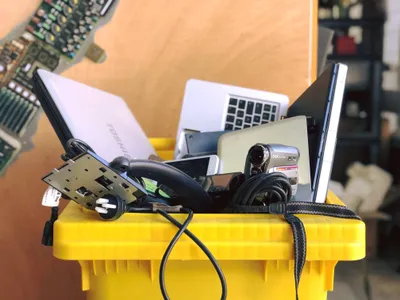
E-waste rules vary wildly by state. Some ban electronics from landfills entirely. Here's how to recycle old TVs, computers, and phones properly.
Read more →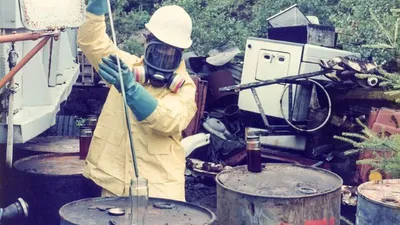
Most counties run free household hazardous waste collection events. Here's what qualifies, how to find your local event, and how to store stuff safely until then.
Read more →