Construction Debris: What You Can (and Can't) Take to the Dump
Renovating your home? Drywall, lumber, concrete, and roofing materials have different disposal rules than regular trash. Here's what to know.
Read more →A large municipal landfill listed for Windsor/Bloomfield, used by haulers and commercial outfits hauling big loads. It's the kind of place where trucks and roll-offs are the norm rather than pickups with bags. Note: Connecticut currently routes most municipal waste to transfer stations or out-of-state facilities, so check whether this site is accepting loads before planning a trip.
Drive up to a gate area with a scale and an attendant booth, so expect to stop to get weighed in and then again on the way out - tipping fees are charged by weight at most landfills. The site itself will look industrial: dirt roads, compacted cover material, and piles or cells rather than landscaped grounds. Large trucks pull into lanes to dump; smaller commercial trucks follow the same flow but may be directed to specific unloading spots. If using this type of facility, be prepared for some waiting during busy times and for following on-site directions for where to drop material.
Learn how to properly dispose of common items.
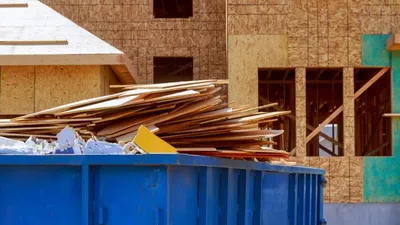
Renovating your home? Drywall, lumber, concrete, and roofing materials have different disposal rules than regular trash. Here's what to know.
Read more →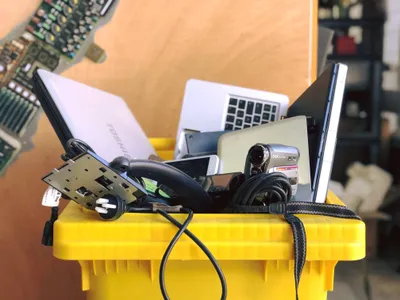
E-waste rules vary wildly by state. Some ban electronics from landfills entirely. Here's how to recycle old TVs, computers, and phones properly.
Read more →
Most counties run free household hazardous waste collection events. Here's what qualifies, how to find your local event, and how to store stuff safely until then.
Read more →