Construction Debris: What You Can (and Can't) Take to the Dump
Renovating your home? Drywall, lumber, concrete, and roofing materials have different disposal rules than regular trash. Here's what to know.
Read more →Small-town transfer station at 57 Clark Rd used by Washington residents and nearby towns. It takes household trash and compacts it here before it gets trucked off to an out-of-state landfill, which is common in Connecticut. Many locals stop in for routine drop-offs rather than driving to a distant disposal site.
A simple, utilitarian site with an entrance booth and a scale for weighing loads, so expect to stop and be weighed on the way in and/or out. Vehicles pull up to the booth first, then follow signs or attendants toward the tipping area and recycling collection points. The layout is mostly paved areas and large roll-off containers or compactors, with traffic flow that can bottleneck on weekends or during spring cleanups. Bring items secured in the back of a truck or in covered bins-loose trash can be awkward to manage at the drop-off pad.
Learn how to properly dispose of common items.
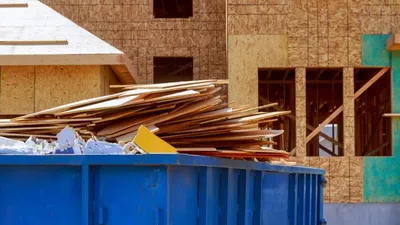
Renovating your home? Drywall, lumber, concrete, and roofing materials have different disposal rules than regular trash. Here's what to know.
Read more →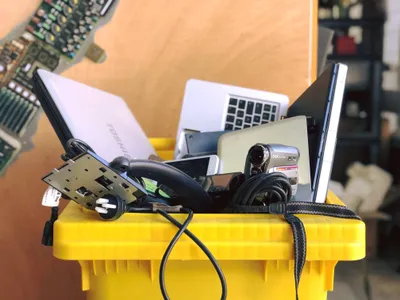
E-waste rules vary wildly by state. Some ban electronics from landfills entirely. Here's how to recycle old TVs, computers, and phones properly.
Read more →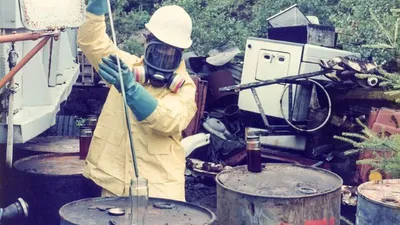
Most counties run free household hazardous waste collection events. Here's what qualifies, how to find your local event, and how to store stuff safely until then.
Read more →