Construction Debris: What You Can (and Can't) Take to the Dump
Renovating your home? Drywall, lumber, concrete, and roofing materials have different disposal rules than regular trash. Here's what to know.
Read more →Union Transfer Station is the local transfer station in Union, used by residents and municipal haulers to drop off household refuse and recyclables before material is trucked elsewhere. Small-town in feel but built to handle steady local traffic, it’s the practical option for hauling things that won’t fit at the curb. Expect to see pickup trucks, trailers, and the occasional town truck while there.
Drive up to an entrance booth or gate area where vehicles are directed; there’s usually a scale that you’ll pass either coming in or leaving since transfer stations commonly charge by weight. Pull up to the appropriate tip area for bulky items or to the recycling side if bringing recyclables; signs and concrete bays typically mark the different drop zones. The site is more industrial than pretty-compacted piles, big containers, and truck activity-so stay in your vehicle until it’s time to unload and keep an eye on traffic. Weekends, especially during cleanup season, tend to be noticeably busier and can mean a short line to get in.
Learn how to properly dispose of common items.
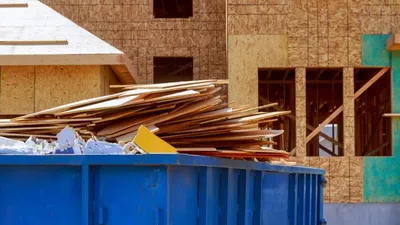
Renovating your home? Drywall, lumber, concrete, and roofing materials have different disposal rules than regular trash. Here's what to know.
Read more →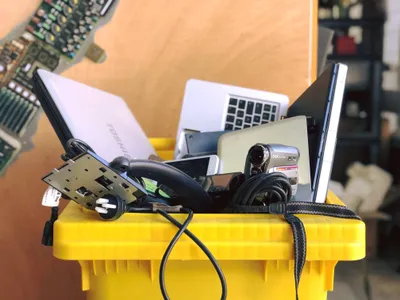
E-waste rules vary wildly by state. Some ban electronics from landfills entirely. Here's how to recycle old TVs, computers, and phones properly.
Read more →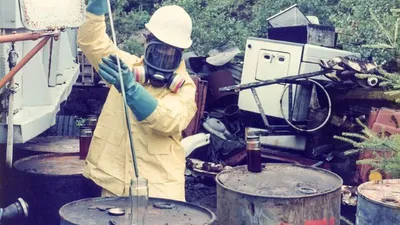
Most counties run free household hazardous waste collection events. Here's what qualifies, how to find your local event, and how to store stuff safely until then.
Read more →