Construction Debris: What You Can (and Can't) Take to the Dump
Renovating your home? Drywall, lumber, concrete, and roofing materials have different disposal rules than regular trash. Here's what to know.
Read more →Small county-style transfer station used by local residents to drop off household trash and small loads that get compacted and sent to a landfill elsewhere. People from Jim Thorpe and nearby towns come here when hauling more than a regular curbside can handle. It's a practical stop rather than a full-scale landfill visit.
Drive up a short access road to a single entrance with an attendant booth where vehicles stop briefly before proceeding. There’s usually a scale and a tipping area beyond the booth; larger trucks and trailers pull up to the compaction area while cars and small pickups use the front lanes. The site looks industrial - concrete pads, compactors, and piles of compacted material - not landscaped, and there may be separate bins or areas for recyclables set off to one side. Lines are common on weekends and during seasonal cleanups, so expect some waiting and a short drive-through once it’s your turn.
Learn how to properly dispose of common items.
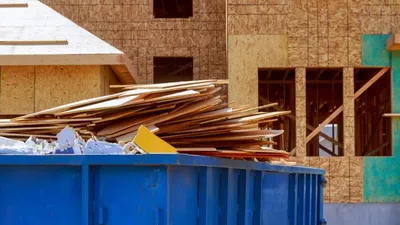
Renovating your home? Drywall, lumber, concrete, and roofing materials have different disposal rules than regular trash. Here's what to know.
Read more →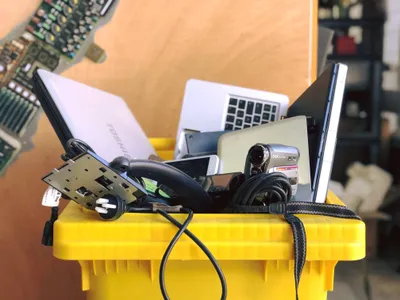
E-waste rules vary wildly by state. Some ban electronics from landfills entirely. Here's how to recycle old TVs, computers, and phones properly.
Read more →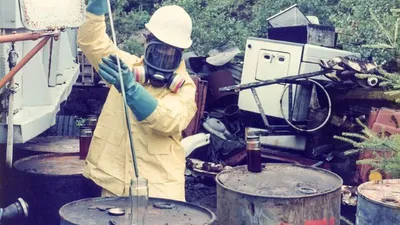
Most counties run free household hazardous waste collection events. Here's what qualifies, how to find your local event, and how to store stuff safely until then.
Read more →