Construction Debris: What You Can (and Can't) Take to the Dump
Renovating your home? Drywall, lumber, concrete, and roofing materials have different disposal rules than regular trash. Here's what to know.
Read more →Small town transfer station used by Norwich residents for household trash and routine drop-offs. Trucks compact loads here and then haul them out of state, so it’s an in-town stop instead of a long drive to a landfill. Locals and landscapers alike use it when they have more than fits in curbside cans.
Pull up to an entrance booth where staff will direct traffic; many Connecticut transfer stations have a scale, so be prepared to stop and possibly be weighed on the way in or out. The tipping area is a short drive past the booth and looks like a concrete pad with raised walls and large compactors nearby. Recycling bins are often grouped to one side and the active dumping area is fenced and industrial-looking, with trucks coming and going.
Learn how to properly dispose of common items.
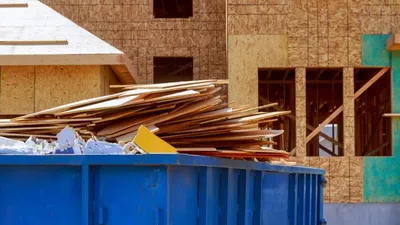
Renovating your home? Drywall, lumber, concrete, and roofing materials have different disposal rules than regular trash. Here's what to know.
Read more →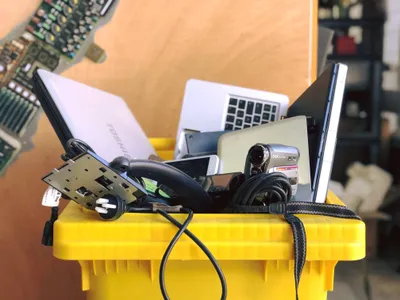
E-waste rules vary wildly by state. Some ban electronics from landfills entirely. Here's how to recycle old TVs, computers, and phones properly.
Read more →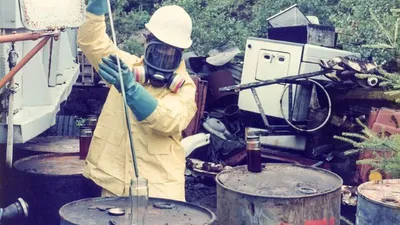
Most counties run free household hazardous waste collection events. Here's what qualifies, how to find your local event, and how to store stuff safely until then.
Read more →