Construction Debris: What You Can (and Can't) Take to the Dump
Renovating your home? Drywall, lumber, concrete, and roofing materials have different disposal rules than regular trash. Here's what to know.
Read more →A municipal landfill located at 211 Garder Rd in Monroe, this is the kind of place contractors and town residents bring full loads when disposal is needed. It’s listed as a landfill - the final burial point for trash - though Connecticut currently moves most waste through transfer stations or out-of-state facilities. Expect users to be a mix of pickup trucks, trailers and commercial roll-offs when it’s busy.
Drive up to an entrance booth and the site will feel industrial: scales, a compacted dirt/cover area and rows of working ground. Landfills typically charge tipping fees by weight with separate rates for residential versus commercial loads, and commercial vehicles are usually handled but may have different paperwork. There’s a weigh-in and weigh-out pattern - stop on the scale both directions - and loads often need to be tarped or secured before pulling onto the working face. Weekends and spring cleanups bring the longest lines, while weekdays are quieter.
Learn how to properly dispose of common items.
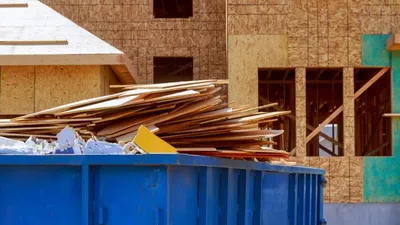
Renovating your home? Drywall, lumber, concrete, and roofing materials have different disposal rules than regular trash. Here's what to know.
Read more →
E-waste rules vary wildly by state. Some ban electronics from landfills entirely. Here's how to recycle old TVs, computers, and phones properly.
Read more →
Most counties run free household hazardous waste collection events. Here's what qualifies, how to find your local event, and how to store stuff safely until then.
Read more →