Construction Debris: What You Can (and Can't) Take to the Dump
Renovating your home? Drywall, lumber, concrete, and roofing materials have different disposal rules than regular trash. Here's what to know.
Read more →Middletown Recycling is the town recycling center on deKoven Drive, used by residents bringing household recyclables and small loads they don't want heading to a transfer station. Neighbors swing by with bags of paper, cardboard, bottles and cans, and occasional bigger items for diversion from the landfill system that Connecticut relies on.
The site looks like a typical municipal recycling lot-a small entrance booth and a scale area for larger vehicles can be expected, with rows of containers for mixed paper, cardboard, glass, metal and many common plastics. Pull up to the booth or scale lane, and then follow the flow of cars toward the recycling containers; the collection bins are usually grouped together and clearly labeled. Weekends, especially spring cleanup days, tend to be busier with lines of pickup trucks and trailers; bring something to cover loose loads and be prepared to make a second stop at the scale if dropping off a heavier load.
Learn how to properly dispose of common items.
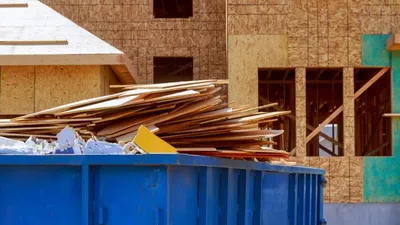
Renovating your home? Drywall, lumber, concrete, and roofing materials have different disposal rules than regular trash. Here's what to know.
Read more →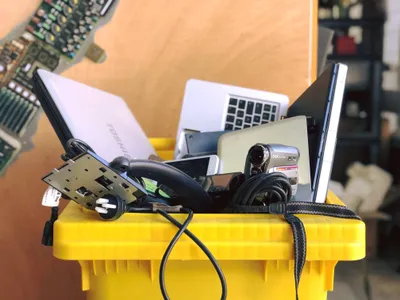
E-waste rules vary wildly by state. Some ban electronics from landfills entirely. Here's how to recycle old TVs, computers, and phones properly.
Read more →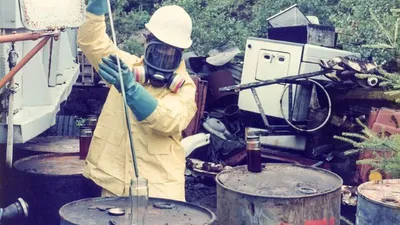
Most counties run free household hazardous waste collection events. Here's what qualifies, how to find your local event, and how to store stuff safely until then.
Read more →