Construction Debris: What You Can (and Can't) Take to the Dump
Renovating your home? Drywall, lumber, concrete, and roofing materials have different disposal rules than regular trash. Here's what to know.
Read more →Recycle Way, Killingworth, CT 06419, United States
Small town transfer station on Recycle Way used by Killingworth residents and folks from nearby towns who have permits. It’s the place where household trash gets compacted and loaded onto trucks to go elsewhere, since Connecticut doesn’t have active landfills. The site feels like a working yard more than a curbside drop-off - expect concrete pads, dumpsters and a booth at the entrance.
Drive up to an entrance booth and have proof of residency or a permit ready; many Connecticut towns require them. There’s usually a scale and space to pull forward to unload, with recycling bins commonly located just past the booth to one side. The main area is a compacting/loading yard with big containers and concrete walls; vehicles and small trailers pull in, drop materials, then leave. Weekends and spring-cleanup periods get backed up, so lines and slow moving traffic are normal.
Learn how to properly dispose of common items.
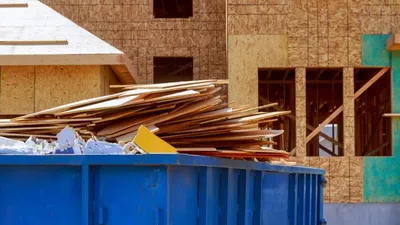
Renovating your home? Drywall, lumber, concrete, and roofing materials have different disposal rules than regular trash. Here's what to know.
Read more →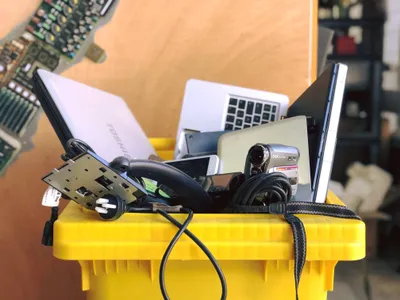
E-waste rules vary wildly by state. Some ban electronics from landfills entirely. Here's how to recycle old TVs, computers, and phones properly.
Read more →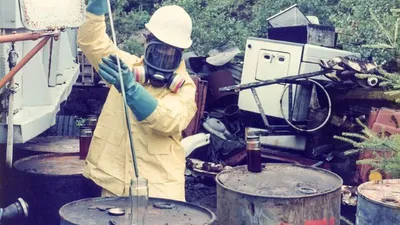
Most counties run free household hazardous waste collection events. Here's what qualifies, how to find your local event, and how to store stuff safely until then.
Read more →