Construction Debris: What You Can (and Can't) Take to the Dump
Renovating your home? Drywall, lumber, concrete, and roofing materials have different disposal rules than regular trash. Here's what to know.
Read more →Katrina Mygatt Recycling Center in Stamford is a neighborhood recycling drop-off that people bring household recyclables to, from single bags to carloads. Locals swing by for paper, cardboard, glass, cans and common plastics; there's also sometimes space for special recycling programs. Connecticut sends all solid waste to transfer stations or out-of-state facilities, so this place is about diverting stuff before it leaves town.
Drive up Magee Avenue and look for a main entrance with an entrance booth and a scale nearby; drivers usually pull up to the booth first and then move to the sorting areas. Recycling bins and containers are typically grouped to the right of the entrance area, with larger drop-off bays for bulky recyclables farther in. Expect to walk a few steps from a vehicle to the containers and to sort items into separate streams-loose stacks of flattened cardboard are common along the edges. Weekends and spring cleanup times can be noticeably busier, so lanes may fill and traffic can slow.
Learn how to properly dispose of common items.
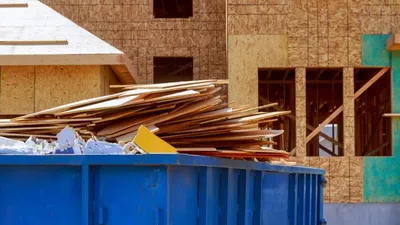
Renovating your home? Drywall, lumber, concrete, and roofing materials have different disposal rules than regular trash. Here's what to know.
Read more →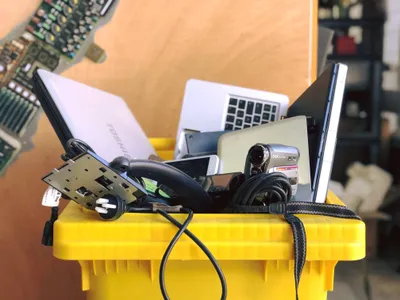
E-waste rules vary wildly by state. Some ban electronics from landfills entirely. Here's how to recycle old TVs, computers, and phones properly.
Read more →
Most counties run free household hazardous waste collection events. Here's what qualifies, how to find your local event, and how to store stuff safely until then.
Read more →