Construction Debris: What You Can (and Can't) Take to the Dump
Renovating your home? Drywall, lumber, concrete, and roofing materials have different disposal rules than regular trash. Here's what to know.
Read more →Guilford Stump Dump is the town dump for Guilford residents, where everyday household trash and yard debris end up before heading on to transfer. Locals use it for routine drop-offs and seasonal cleanups. The site sits at 25 Sullivan Dr and looks like a typical small-town transfer area rather than a big commercial landfill.
Drive up the gravel entrance and pass a small booth or gate area where vehicles line up to be directed; there’s usually a scale and a place to stop before you drive into the main yard. The working area is open with piles or bays for different materials and a few large containers; expect to pull up, unload at a nearby pile or bin, then drive out the same way. The recycling and bulky-item spots are usually set off to one side of the main dumping area, so follow the traffic flow and signage once inside. Weekends and spring cleanup times tend to get busy, so plan for a short wait if arriving during peak times.
Learn how to properly dispose of common items.
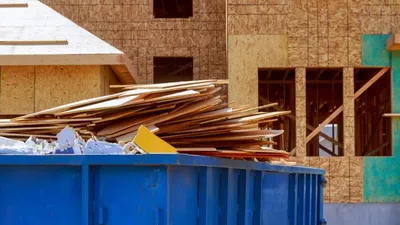
Renovating your home? Drywall, lumber, concrete, and roofing materials have different disposal rules than regular trash. Here's what to know.
Read more →
E-waste rules vary wildly by state. Some ban electronics from landfills entirely. Here's how to recycle old TVs, computers, and phones properly.
Read more →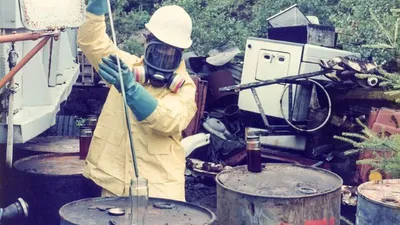
Most counties run free household hazardous waste collection events. Here's what qualifies, how to find your local event, and how to store stuff safely until then.
Read more →