Construction Debris: What You Can (and Can't) Take to the Dump
Renovating your home? Drywall, lumber, concrete, and roofing materials have different disposal rules than regular trash. Here's what to know.
Read more →Glastonbury Transfer Station is the town transfer station on Main Street used by residents and municipal haulers to drop off household trash and recyclables. This is where local trash gets compacted and loaded for transport out of state, since Connecticut has no active landfills. Many people from town come here for regular drop-offs and seasonal cleanups.
Drive up to a manned entrance booth and be prepared to stop so they can check permits or direct traffic; there’s usually a short lane for trucks and a separate area for cars and small trailers. A scale is often part of the process and loads may be weighed, then directed to open tipping areas where material is compacted into containers and hauled away. The site has large concrete bays and roll-off containers; expect to see heavy equipment and occasional large trucks moving around. Lines build up on weekends and during spring cleanup, so plan for a wait if it’s busy.
Learn how to properly dispose of common items.
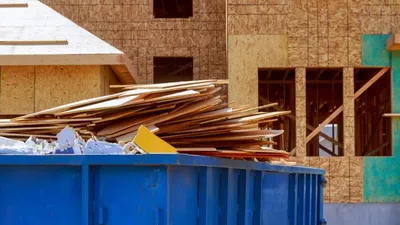
Renovating your home? Drywall, lumber, concrete, and roofing materials have different disposal rules than regular trash. Here's what to know.
Read more →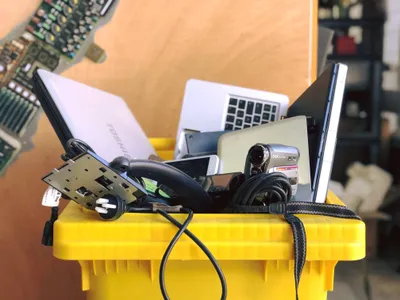
E-waste rules vary wildly by state. Some ban electronics from landfills entirely. Here's how to recycle old TVs, computers, and phones properly.
Read more →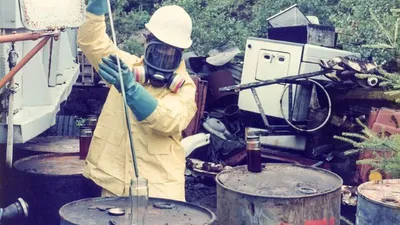
Most counties run free household hazardous waste collection events. Here's what qualifies, how to find your local event, and how to store stuff safely until then.
Read more →