Construction Debris: What You Can (and Can't) Take to the Dump
Renovating your home? Drywall, lumber, concrete, and roofing materials have different disposal rules than regular trash. Here's what to know.
Read more →Bridgeport Transfer Station is the municipal transfer point where local household trash gets compacted and sent off to landfills out of state. Neighbors, landscapers, and anyone clearing out a car or basement use it when a quick drop-off to the city beats a long drive to a distant landfill. The site feels industrial - lots of trucks, concrete bunkers, and the usual rumble of compactors in the background.
Drive up to an entrance booth and be prepared to show proof of residency or a town permit if required by Bridgeport - many Connecticut towns have permit rules. There’s a scale and traffic flow to the tipping area, so slow down and follow the attendants’ directions; compactors and roll-off bins are visible from the drive. Recycling containers are usually off to one side and not mixed with the main trash pile, so separate loads will save time. Weekends and spring-cleanup days get crowded, and lines can back up, so expect waits during peak times.
Learn how to properly dispose of common items.
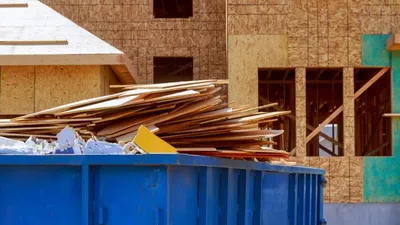
Renovating your home? Drywall, lumber, concrete, and roofing materials have different disposal rules than regular trash. Here's what to know.
Read more →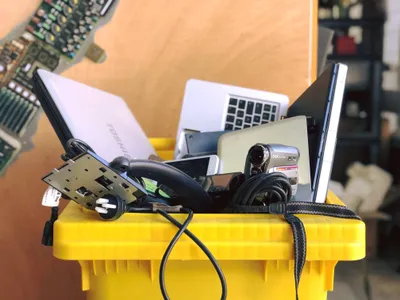
E-waste rules vary wildly by state. Some ban electronics from landfills entirely. Here's how to recycle old TVs, computers, and phones properly.
Read more →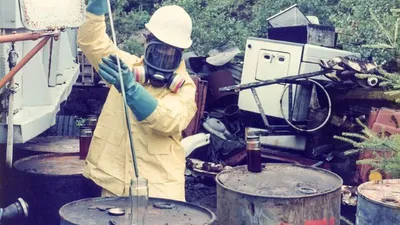
Most counties run free household hazardous waste collection events. Here's what qualifies, how to find your local event, and how to store stuff safely until then.
Read more →