Construction Debris: What You Can (and Can't) Take to the Dump
Renovating your home? Drywall, lumber, concrete, and roofing materials have different disposal rules than regular trash. Here's what to know.
Read more →Branford Solid Waste & Recycle is the town recycling center on Main Street used by residents looking to drop off curb-sort recyclables and keep bulky items out of transfer trucks. Neighbors bring everything from cardboard and mixed paper to bottles and cans, and many come for occasional special collection programs as well.
Drive up the long entrance toward the booth and be prepared to pull forward to a scale or check-in point before heading to the bins. The recycling bins are generally arranged in a cluster with signs and separate containers for common materials like paper, glass, metal and some plastics, while larger items and electronics are usually handled through separate collection areas or special events. Expect a paved yard with traffic patterns for larger trucks and cars, and know that Connecticut towns often require permits for resident use and send most trash on to transfer stations or out-of-state facilities.
Learn how to properly dispose of common items.
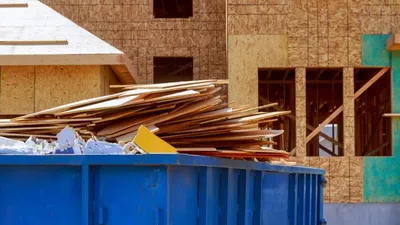
Renovating your home? Drywall, lumber, concrete, and roofing materials have different disposal rules than regular trash. Here's what to know.
Read more →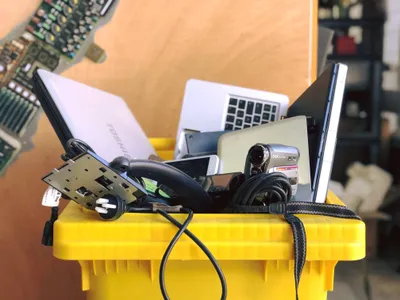
E-waste rules vary wildly by state. Some ban electronics from landfills entirely. Here's how to recycle old TVs, computers, and phones properly.
Read more →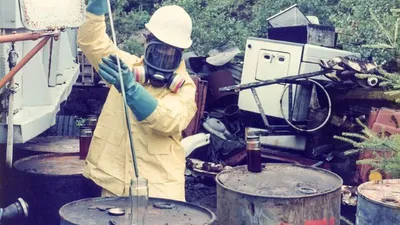
Most counties run free household hazardous waste collection events. Here's what qualifies, how to find your local event, and how to store stuff safely until then.
Read more →