Construction Debris: What You Can (and Can't) Take to the Dump
Renovating your home? Drywall, lumber, concrete, and roofing materials have different disposal rules than regular trash. Here's what to know.
Read more →South Metro Transfer Facility in Englewood is the spot where local household and small-load waste gets dropped off, compacted, and loaded onto trucks bound for a landfill. Neighbors and contractors use it when hauling things that won’t fit in curbside bins or when avoiding a longer trip to a regional landfill.
Expect a gated entrance with an attendant booth and a scale - many transfer stations charge by weight, so there’s usually a stop on the way in or out. Pull a vehicle up to the booth, then follow the pavement to the drop-off bays and compacting area; large commercial trucks share the lanes so watch for tight turns and backups. The site is mostly concrete and metal bunkers, with ramps and chutes rather than paved parking for lingering. Weekends, especially during neighborhood clean-up seasons, tend to be the busiest times.
Learn how to properly dispose of common items.
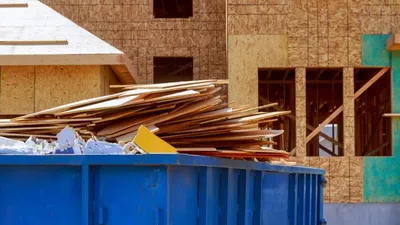
Renovating your home? Drywall, lumber, concrete, and roofing materials have different disposal rules than regular trash. Here's what to know.
Read more →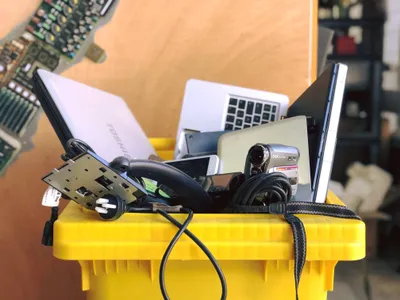
E-waste rules vary wildly by state. Some ban electronics from landfills entirely. Here's how to recycle old TVs, computers, and phones properly.
Read more →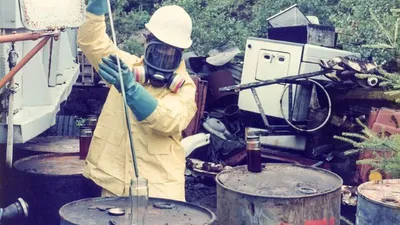
Most counties run free household hazardous waste collection events. Here's what qualifies, how to find your local event, and how to store stuff safely until then.
Read more →