Construction Debris: What You Can (and Can't) Take to the Dump
Renovating your home? Drywall, lumber, concrete, and roofing materials have different disposal rules than regular trash. Here's what to know.
Read more →A working landfill out on County Road 134 that locals and contractors use when there's too much for the curb or for big cleanups. It handles the usual bury-and-cover style disposal, and both residential and commercial loads go there though commercial accounts are billed differently than the small drop-offs.
Pull in to a small entrance booth and you'll stop at a scale - tipping fees are charged by weight and there's typically a minimum charge for small loads. After the scale, vehicles are directed up to the active cell where the load is unloaded and compacted; the site is mostly dirt roads and capped mounds, not paved picnic grounds. Trucks line up on busy weekend mornings, and wind can kick up dust on dry days, so expect a short delay if several haulers are ahead of you.
Learn how to properly dispose of common items.
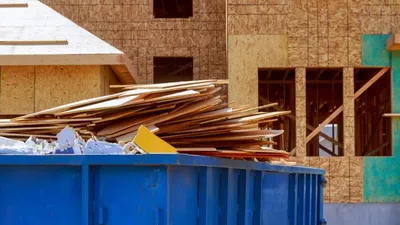
Renovating your home? Drywall, lumber, concrete, and roofing materials have different disposal rules than regular trash. Here's what to know.
Read more →
E-waste rules vary wildly by state. Some ban electronics from landfills entirely. Here's how to recycle old TVs, computers, and phones properly.
Read more →
Most counties run free household hazardous waste collection events. Here's what qualifies, how to find your local event, and how to store stuff safely until then.
Read more →