Construction Debris: What You Can (and Can't) Take to the Dump
Renovating your home? Drywall, lumber, concrete, and roofing materials have different disposal rules than regular trash. Here's what to know.
Read more →Small county landfill sitting out on Trap Club Road near Eckert, used by residents and local contractors hauling household trash, construction debris, and other non-recyclable material. Comes across as a working, no-frills place rather than a tidy transfer station. Folks from nearby ranches and towns bring loads here, especially during cleanup season.
Drive up a gravel approach to an entrance booth and a vehicle scale-most landfills charge tipping fees by weight, so expect to stop on the scale on the way in and again on the way out. There’s a clear drive lane to the active dumping face and mounded dirt and covered cells visible around the site; trucks and trailers are common, with commercial haulers mixing in with pickups. Recycling or drop-off bins, if present, tend to be just past the booth or off to one side rather than scattered around. Weekends and spring cleanups often have lines, and drivers should be ready to follow simple directions from attendants at the gate.
Learn how to properly dispose of common items.
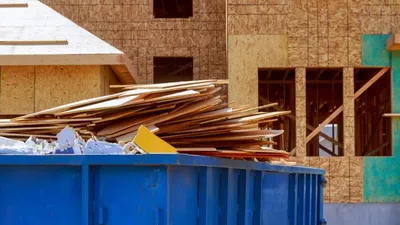
Renovating your home? Drywall, lumber, concrete, and roofing materials have different disposal rules than regular trash. Here's what to know.
Read more →
E-waste rules vary wildly by state. Some ban electronics from landfills entirely. Here's how to recycle old TVs, computers, and phones properly.
Read more →
Most counties run free household hazardous waste collection events. Here's what qualifies, how to find your local event, and how to store stuff safely until then.
Read more →