Construction Debris: What You Can (and Can't) Take to the Dump
Renovating your home? Drywall, lumber, concrete, and roofing materials have different disposal rules than regular trash. Here's what to know.
Read more →Tucked into the industrial stretch at 840 S. Mission Road, this recycling center sees a steady stream of neighbors and small contractors dropping off recyclables. People come here to unload cardboard, cans, bottles and other bulk recyclables rather than stuffing everything in the regular trash. It’s the kind of place locals use when there’s a haul too big for curbside bins.
Expect a low-slung concrete yard with piles of sorted material and roll-offs; big trucks and forklifts are common, so watch for traffic when pulling in. There’s usually an entrance booth and a scale nearby, so plan for a short stop before and after unloading. The recycling bins and drop-off points are clustered rather than hidden-bins often sit to the right of the main drive-but exact placement can change depending on the load-out that day. Weekends, especially during household-cleanout season, tend to get backed up and lining up in your vehicle is normal.
Learn how to properly dispose of common items.
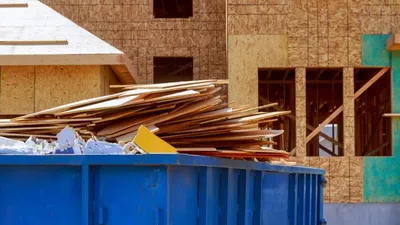
Renovating your home? Drywall, lumber, concrete, and roofing materials have different disposal rules than regular trash. Here's what to know.
Read more →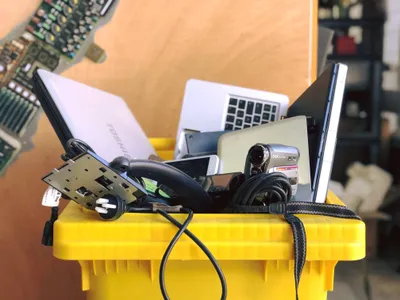
E-waste rules vary wildly by state. Some ban electronics from landfills entirely. Here's how to recycle old TVs, computers, and phones properly.
Read more →
Most counties run free household hazardous waste collection events. Here's what qualifies, how to find your local event, and how to store stuff safely until then.
Read more →