Construction Debris: What You Can (and Can't) Take to the Dump
Renovating your home? Drywall, lumber, concrete, and roofing materials have different disposal rules than regular trash. Here's what to know.
Read more →Small-town transfer station on Highway 49 that locals use when hauling yard waste, construction debris, or big household cleanouts. It’s the place where loads get compacted and sent off to a larger landfill, handy when driving all the way to a county landfill isn’t practical.
Pull in past a small entrance booth where staff will direct you onto a scale - most transfer stations charge by weight, so expect to stop twice: in and out. The site is mostly open pavement with covered bays or pits for different materials and a few large roll-off containers; trucks and compactors make it feel busy when they’re moving stuff. Weekend lines are common, especially during spring cleanup or holiday weekends, so there can be a short wait to get onto the tipping floor. Keep an eye out for signs near the bays telling drivers where to unload and which way traffic flows through the yard.
Learn how to properly dispose of common items.
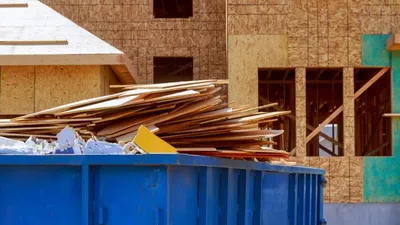
Renovating your home? Drywall, lumber, concrete, and roofing materials have different disposal rules than regular trash. Here's what to know.
Read more →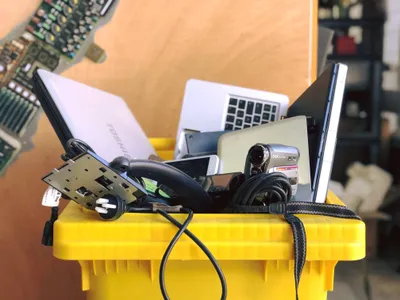
E-waste rules vary wildly by state. Some ban electronics from landfills entirely. Here's how to recycle old TVs, computers, and phones properly.
Read more →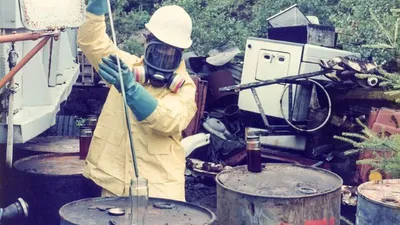
Most counties run free household hazardous waste collection events. Here's what qualifies, how to find your local event, and how to store stuff safely until then.
Read more →