Construction Debris: What You Can (and Can't) Take to the Dump
Renovating your home? Drywall, lumber, concrete, and roofing materials have different disposal rules than regular trash. Here's what to know.
Read more →Big, unmistakable pile of a place sitting in the City of Industry-Puente Hills Landfill is where large volumes of trash end up. Mostly used by commercial haulers and contractors, it also takes municipal and other large loads that need to be buried rather than recycled. The site is known for its scale; the tipping area and long access roads make it feel like an industrial complex rather than a small drop-off.
Drive up to a staffed entrance booth and prepare to be routed onto the site; there’s usually a scale where vehicles are weighed and charged by weight, so expect to stop twice. The tipping face is a broad, terraced slope with heavy equipment moving material - it can be dusty and noisy. Recycling or separate sorting requirements are common in California, so have loads organized and any recyclable/organic materials separated before getting in line. Weekend and spring-cleanup traffic tends to be heavier, and larger commercial loads will have dedicated lanes or directions at peak times.
Learn how to properly dispose of common items.
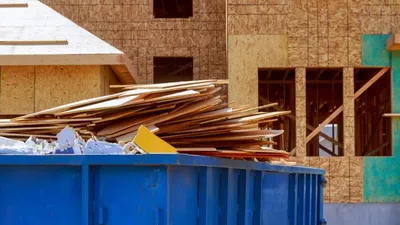
Renovating your home? Drywall, lumber, concrete, and roofing materials have different disposal rules than regular trash. Here's what to know.
Read more →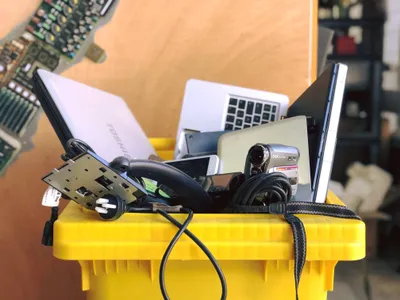
E-waste rules vary wildly by state. Some ban electronics from landfills entirely. Here's how to recycle old TVs, computers, and phones properly.
Read more →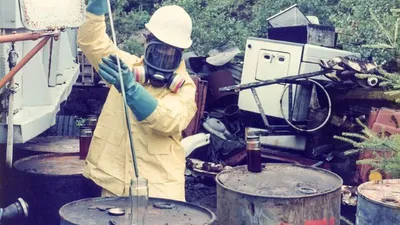
Most counties run free household hazardous waste collection events. Here's what qualifies, how to find your local event, and how to store stuff safely until then.
Read more →