Construction Debris: What You Can (and Can't) Take to the Dump
Renovating your home? Drywall, lumber, concrete, and roofing materials have different disposal rules than regular trash. Here's what to know.
Read more →A neighborhood transfer station where residential and small commercial loads get compacted and sent off to a landfill elsewhere. Locals drop off yard trimmings, bags, furniture and construction debris here when a long trip to a landfill isn’t desired. It’s the sort of place people use when a pickup truck or trailer is too full for curbside pickup.
There’s an entrance booth and a scale area before the tipping face; many transfer stations in California weigh vehicles, so plan to stop twice. Vehicles pull up to a raised tipping area where loads are emptied into large containers or pits; the place looks industrial - lots of concrete, big compactors, and truck traffic. Recycling and organics separation is common in the state, so bins or drop-off points for sorted materials are usually nearby and clearly set apart from the general disposal area. Weekends and spring cleanup times often have a line, and maneuvering a trailer takes a little patience because of backing space and heavy equipment.
Learn how to properly dispose of common items.
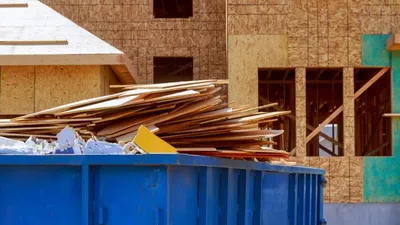
Renovating your home? Drywall, lumber, concrete, and roofing materials have different disposal rules than regular trash. Here's what to know.
Read more →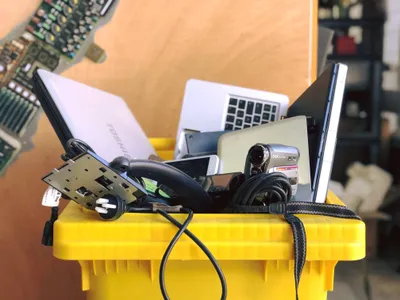
E-waste rules vary wildly by state. Some ban electronics from landfills entirely. Here's how to recycle old TVs, computers, and phones properly.
Read more →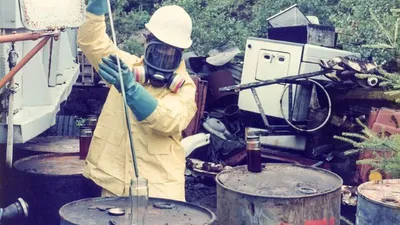
Most counties run free household hazardous waste collection events. Here's what qualifies, how to find your local event, and how to store stuff safely until then.
Read more →