Construction Debris: What You Can (and Can't) Take to the Dump
Renovating your home? Drywall, lumber, concrete, and roofing materials have different disposal rules than regular trash. Here's what to know.
Read more →Closed Sunnyvale Landfill is the old landfill site off Borregas Avenue that local contractors and residents still refer to when talking about bulky or heavy loads. People drop off construction debris and other non-recyclable trash here, and commercial haulers use it regularly. It’s the final stop where the trash gets buried rather than recycled or composted.
Drive up to a small entrance booth and a scale-vehicles get weighed coming in and again on the way out since tipping fees are charged by weight. The site is large and mostly open dirt and compacted piles, so expect heavy equipment moving around and a rough surface in places. Recycling or organics bins are often handled separately before getting to the landfill area, so separate loads if possible to avoid delays. Lines can form on weekends and during spring cleanup, so there may be a wait to get through the gate and onto the tipping floor.
Learn how to properly dispose of common items.
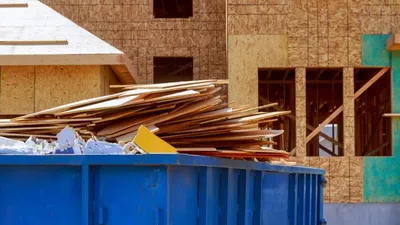
Renovating your home? Drywall, lumber, concrete, and roofing materials have different disposal rules than regular trash. Here's what to know.
Read more →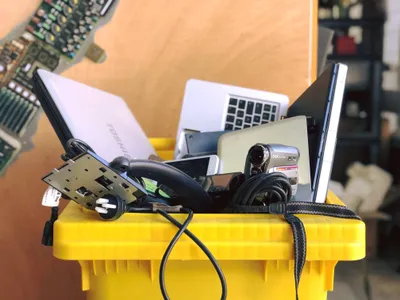
E-waste rules vary wildly by state. Some ban electronics from landfills entirely. Here's how to recycle old TVs, computers, and phones properly.
Read more →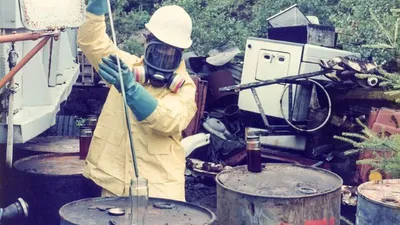
Most counties run free household hazardous waste collection events. Here's what qualifies, how to find your local event, and how to store stuff safely until then.
Read more →