Construction Debris: What You Can (and Can't) Take to the Dump
Renovating your home? Drywall, lumber, concrete, and roofing materials have different disposal rules than regular trash. Here's what to know.
Read more →A small, working recycling center on 3rd St in San Francisco that handles construction-type material diversion. Neighbors, contractors, and DIYers bring loads here to keep concrete and similar stuff out of the landfill. It’s the kind of place folks drop by with truck or trailer rather than a curbside pickup.
Pull up to an entrance booth and be prepared to stop; a scale is commonly used at facilities like this so there’s often a weigh-in and a weigh-out. The site looks industrial - piles of crushed material, separated bays, and a rough gravel lot where trucks circulate. Recycling centers focused on concrete usually accept things like concrete, brick, asphalt and other masonry debris, and sometimes mixed metal, plus a few special programs for crushed or reusable material may be available. Weekends and spring cleanup periods tend to be busier, so lines and waiting to unload are not unusual.
Learn how to properly dispose of common items.
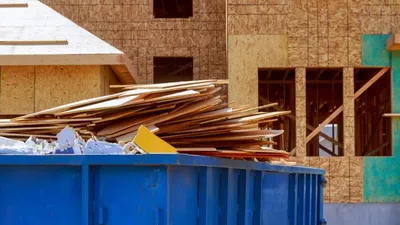
Renovating your home? Drywall, lumber, concrete, and roofing materials have different disposal rules than regular trash. Here's what to know.
Read more →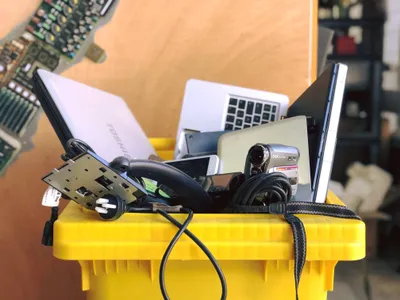
E-waste rules vary wildly by state. Some ban electronics from landfills entirely. Here's how to recycle old TVs, computers, and phones properly.
Read more →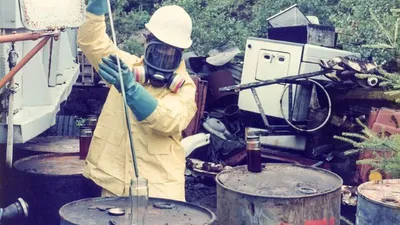
Most counties run free household hazardous waste collection events. Here's what qualifies, how to find your local event, and how to store stuff safely until then.
Read more →