Construction Debris: What You Can (and Can't) Take to the Dump
Renovating your home? Drywall, lumber, concrete, and roofing materials have different disposal rules than regular trash. Here's what to know.
Read more →A small local dump in Scottsdale that sees a mix of neighborhood pickups and contractor trucks. People from around the area use it for routine drop-offs and cleanup runs, so it feels like a working yard rather than a showroom.
The site looks like a typical desert transfer/dump yard: a simple entrance with a booth and a lot of concrete and compacted dirt, so it's dusty when the wind blows. Pull up to the booth, tell them what you’re hauling, then head to the appropriate pile or bay marked for drops; larger trucks move through in a few lanes while smaller trucks and trailers squeeze in along the edges. Expect gravel and tire tracks everywhere, and be ready to stop at a scale if the facility uses one since many local dumps weigh loads. There are usually separate bins or areas for recyclables and bulk items, but locations can be a little confusing the first time through.
Learn how to properly dispose of common items.
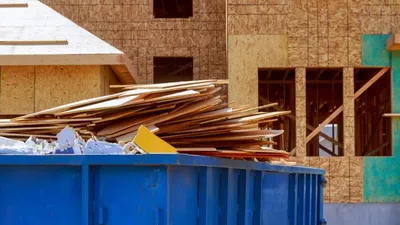
Renovating your home? Drywall, lumber, concrete, and roofing materials have different disposal rules than regular trash. Here's what to know.
Read more →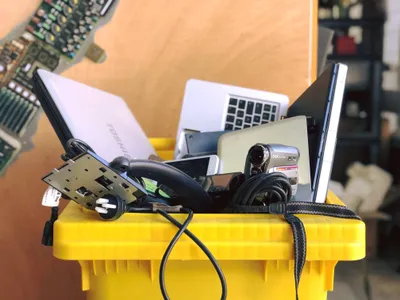
E-waste rules vary wildly by state. Some ban electronics from landfills entirely. Here's how to recycle old TVs, computers, and phones properly.
Read more →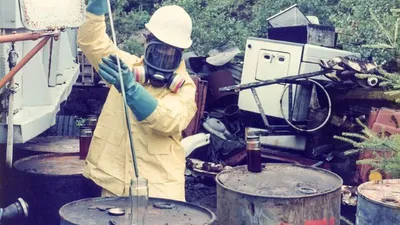
Most counties run free household hazardous waste collection events. Here's what qualifies, how to find your local event, and how to store stuff safely until then.
Read more →