Construction Debris: What You Can (and Can't) Take to the Dump
Renovating your home? Drywall, lumber, concrete, and roofing materials have different disposal rules than regular trash. Here's what to know.
Read more →A small transfer station on State Route 260 that locals use to drop off household junk and yard debris instead of driving all the way to a distant landfill. Mostly serves residents of Camp Verde and nearby communities who need a closer place to unload smaller loads. Expect a functional, no-frills setup rather than a polished public park.
Drive up to an entrance booth and be prepared to stop for an initial check and a weighing at the scale on the way out; charges are typically by weight for this type of site. The layout is basically a paved drive with lanes for dropping loads, a few concrete or steel transfer containers, and a compacting operation where material gets loaded into larger trucks. Dust and desert scrub are visible around the perimeter, and summer afternoons can feel hot and bright with little shade. Weekends and spring cleanup times often have lines, so there can be a short wait before getting to the drop-off point.
Learn how to properly dispose of common items.
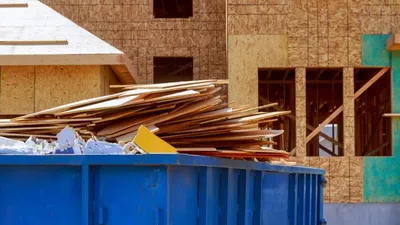
Renovating your home? Drywall, lumber, concrete, and roofing materials have different disposal rules than regular trash. Here's what to know.
Read more →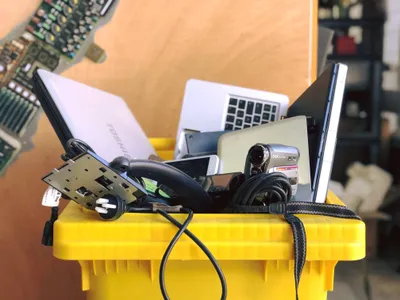
E-waste rules vary wildly by state. Some ban electronics from landfills entirely. Here's how to recycle old TVs, computers, and phones properly.
Read more →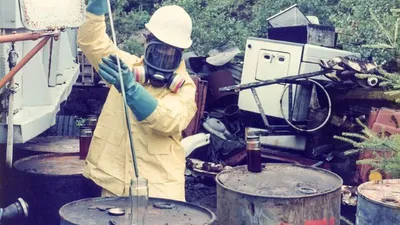
Most counties run free household hazardous waste collection events. Here's what qualifies, how to find your local event, and how to store stuff safely until then.
Read more →